Advertising: This article contains affiliate links to Amazon, marked with a yellow underline. As an Amazon Associate I earn from qualifying purchases. However, the price remains unchanged for you. Thanks to the revenue, ShapeGanic is available to you at no cost.
A smart scale for body composition does more than weigh you. It also estimates body fat, muscle mass and body water and keeps a log of every reading. If you’re building muscle or trying to lose fat, that log is what matters, because your weight alone can’t tell you whether you’re losing fat or muscle.
This guide compares six models from Renpho, Eufy, Withings and Garmin, from a budget pick to scales with hand electrodes. We did not test these scales ourselves: The specs come from the manufacturers (as of October 2026), and the accuracy picture comes from independent research. You’ll also learn which scale works with your phone and how to get readings you can actually compare.
The Six Models at a Glance
The table sums up the key differences. All specs are from the manufacturers.
| Model | Electrodes | Measurements | Works With | Price |
|---|---|---|---|---|
| Renpho Elis 1 | Feet only | Weight, body fat, body water, muscle mass, BMI, BMR | Apple Health, Google Health | $ |
| Eufy Smart Scale P2 Pro | Feet only | 16 metrics, including body fat, muscle mass, visceral fat and heart rate | Apple Health, Google Fit via Health Connect | $$ |
| Withings Body Smart | Feet only | Body fat, body water, muscle mass, bone mass, visceral fat, BMR | Apple Health, Health Connect | $$ |
| Garmin Index S2 | Feet only | Body fat, skeletal muscle mass, bone mass, body water, BMI | Garmin Connect, Health Connect | $$$ |
| Renpho MorphoScan Nova | Feet and handle | 50+ metrics, fat and muscle for arms, legs and torso separately | Apple Health, Google Health | $$$ |
| Withings Body Scan | Feet and handle | Muscle and fat mass in five body zones, plus body water and bone mass | Apple Health, Health Connect | $$$ |
Price tiers: $ under $60, \($60 to $150,\)$ over $150. Prices change often, so the link shows the current one.
How Does a Body Fat Scale Work?
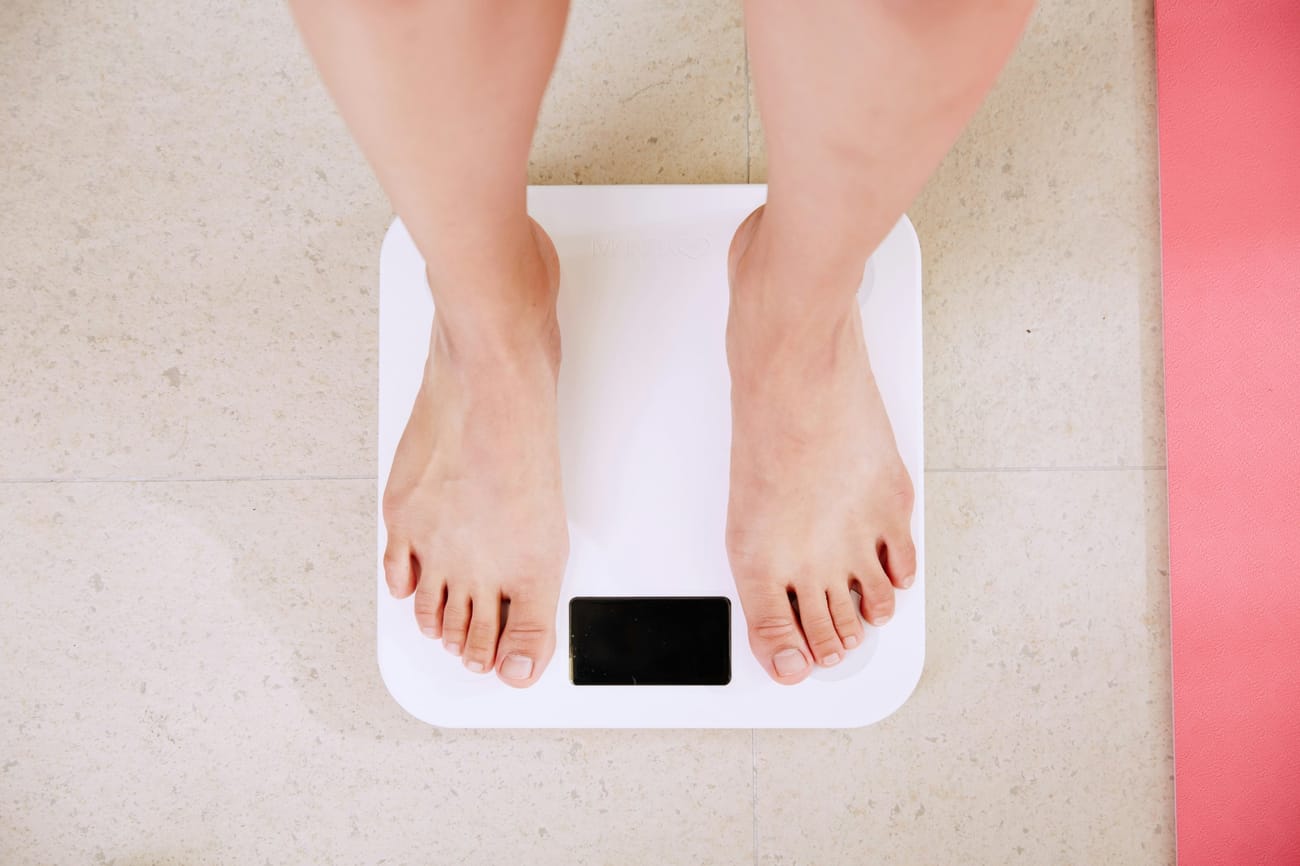
Body fat scales use bioelectrical impedance analysis (BIA). Electrodes in the platform send a weak current through your body that you can’t feel, and the scale measures the resistance. Muscle holds a lot of water and conducts well, while fat conducts poorly. A formula developed by the manufacturer turns that resistance, together with your height, age, sex and weight, into an estimate of your body composition. In other words, the scale doesn’t measure body fat directly. It estimates it.
On scales without hand electrodes, the current only travels from one foot to the other, through your legs and hips, and the formula fills in your upper body. Models with a handle also measure through your hands, so they cover your arms and torso too. Some break the results down by body region, which is called segmental analysis. A few manufacturers also measure at more than one frequency. The European Society for Clinical Nutrition and Metabolism (ESPEN) sees possible advantages for multi-frequency and segmental measurements in difficult conditions such as abnormal hydration, but says they still need further validation.
 Photo by
How Accurate Are Body Fat Scales?
For weight, modern scales are accurate. In a study from Paris, three smart scales were off by no more than about 0.7 lb (median). Body fat was a different story: Compared with DXA, an X-ray scan used in hospitals, all three scales underestimated fat mass by a median of roughly 5 to 10 lb. The authors concluded that smart scales can’t replace a clinical measurement. Keep in mind, though, that the participants were hospital patients, not athletes.
A larger 2023 study tested 15 BIA devices, 14 of them consumer models, in 73 healthy adults against a four-compartment model, one of the most accurate lab methods. Repeat readings barely differed, with a precision error of 0.5 percentage points of body fat or less. How closely the devices matched the lab value, however, varied widely. Over 12 to 16 weeks, the devices tracked changes fairly well on average, with mean errors ranging from 0.4 percentage points below to 1.3 points above the lab result, but individual readings were off by several points. The authors suggest that hand-to-foot devices in particular, along with some foot-only models, may be useful for tracking changes over time.
In practice, that means a single body fat percentage is an estimate that can be off by several points, depending on the model. What counts is the trend on the same scale under the same conditions. For people with a very high or very low BMI, or with abnormal hydration, ESPEN can’t recommend the clinical use of BIA.
Do You Need Hand Electrodes?
The biggest technical difference between the models is the path the current takes.
| Design | Current Path | Segmental Analysis | Price in This Guide | Best For |
|---|---|---|---|---|
| Foot electrodes only | Foot to foot, upper body is estimated | No | $ to $$$ | Tracking weight and body fat day to day |
| Hand and foot electrodes | Through hands and feet, the whole body | Yes, arms, legs and torso separately | $$$ | Tracking upper and lower body separately |
Hand electrodes don’t guarantee accurate numbers, but they include your whole body instead of estimating your upper half. If you mainly want to know whether your weight and body fat are going up or down over the weeks, a scale without a handle will do. If you want to see how your arms, legs and torso change separately, you’ll need a model with hand electrodes.
Which App Integration Fits Your Phone?
The manufacturer’s app stores your readings. To get them into other apps, such as a calorie counter or your sports watch app, what matters is the connection to your phone’s health platform.
| Platform | What It Is | Supported by (per Manufacturer) |
|---|---|---|
| Apple Health | Health data hub on the iPhone | Renpho, Eufy, Withings |
| Health Connect | Health data hub on Android phones, data stays on the device | Withings, Garmin, Eufy via Google Fit |
| Google Health | Formerly the Fitbit app | Renpho directly, all others through Health Connect |
| Garmin Connect | App for Garmin watches and devices | Garmin |
On Android, Health Connect is the central hub. According to Google, the Google Health app also reads weight and body fat percentage from Health Connect, so whatever a scale saves there shows up in Google Health too. Be careful with older Fitbit claims: Google has announced it will shut down the legacy Fitbit API on November 2, 2026. After that, a Fitbit integration only works if the manufacturer has switched to Google Health. According to its app, Renpho already has, while Eufy’s support page still lists Fitbit.
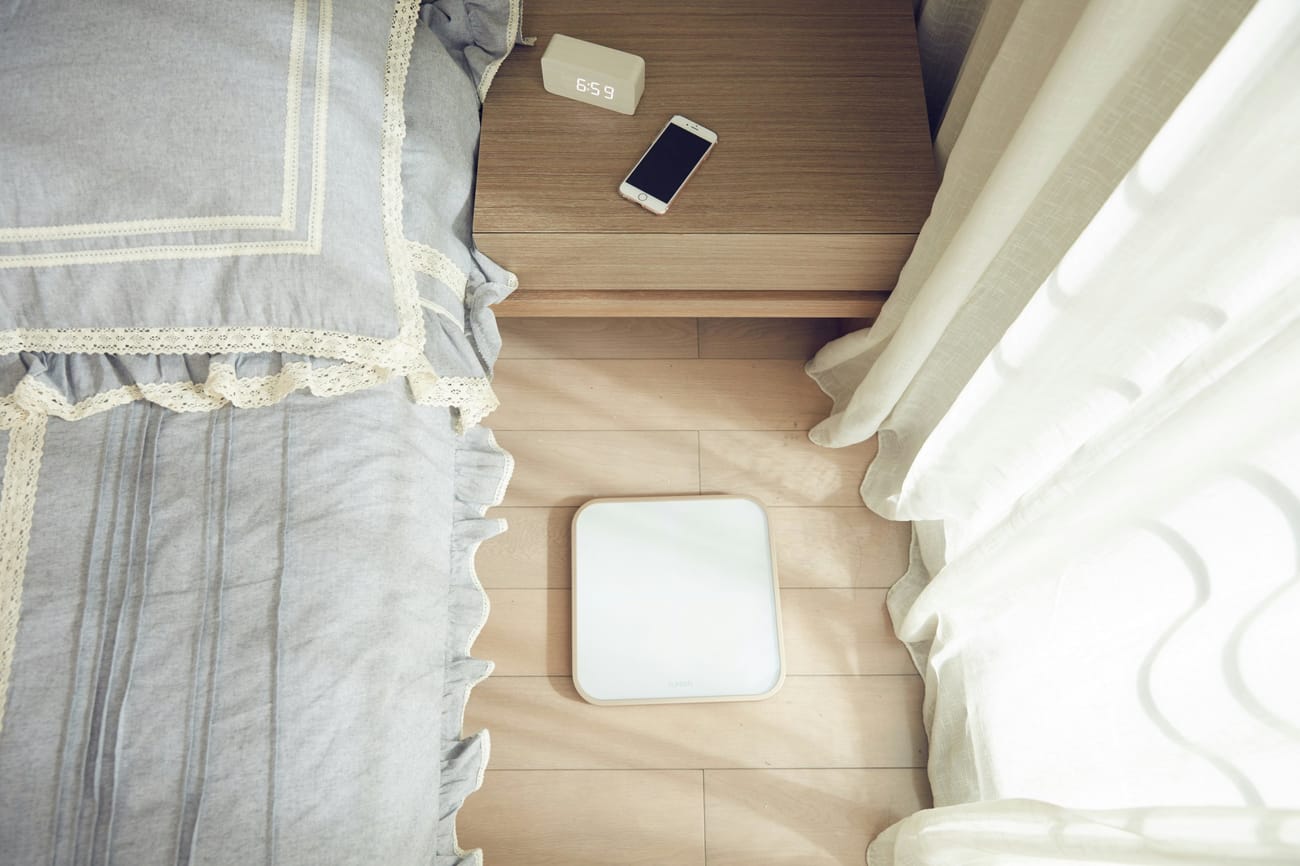 Photo by
The Models in Detail
The Renpho Elis 1 is the budget pick in this guide. It measures six values through your feet, including body fat, muscle mass and body water, and sends them via Bluetooth to the Renpho Health app. The app supports unlimited user profiles and shares your data with Apple Health and Google Health.
The Eufy Smart Scale P2 Pro syncs over Wi-Fi or Bluetooth and shows 16 metrics in the app, while the display itself shows weight, body fat and heart rate. It recognizes users by weight, and the app allows unlimited profiles. Eufy itself calls the body fat reading an approximation and says the scale is calibrated for people aged 16 to 80.
The Withings Body Smart measures at multiple frequencies and estimates body fat, muscle mass, bone mass and visceral fat, among other values. It recognizes up to eight users automatically, syncs over Wi-Fi even when your phone isn’t nearby, and according to Withings runs for more than 15 months on one set of batteries. Athletes get a dedicated athlete mode. The Withings app shares data with Apple Health, Health Connect, MyFitnessPal and Strava, and a subscription is optional.
The Garmin Index S2 is built for Garmin watch owners. Your readings go to Garmin Connect, including body fat, skeletal muscle mass, bone mass and body water. The scale stores up to 16 user profiles, connects via Wi-Fi, Bluetooth and ANT+ and has a color display. According to the manufacturer, four AAA batteries last up to nine months. On Android, Garmin Connect passes weight and body fat on to Health Connect.
The Renpho MorphoScan Nova is the more affordable of the two handle models. It has four electrodes in the platform and four in the handle and measures at two frequencies. The app shows more than 50 metrics, with fat and muscle broken down for each arm, each leg and the torso. The scale stores eight profiles, the app as many as you like. It charges via USB-C, and according to Renpho one charge lasts up to five months. It connects via Bluetooth only.
The Withings Body Scan is the most expensive model in this guide. Its detachable handle holds the hand electrodes, and the scale analyzes muscle and fat mass in five body zones. It recognizes up to eight users, syncs over Wi-Fi and Bluetooth, and according to Withings one charge lasts up to a year. The handle also records an ECG, a feature that’s outside the scope of this comparison. App integrations are the same as for the Body Smart.
How to Get Consistent Readings
A study of 32 resistance-trained men shows how much testing conditions can change the result: After a meal of about 1.1 lb, fat mass measured by bioimpedance rose by about 1.7 lb on average, and with an extra quart of water by about 3.1 lb. The error was smallest when the athletes were measured in the morning on an empty stomach, rested and well hydrated. This routine keeps your readings comparable:
| Step | How | Why |
|---|---|---|
| Timing | In the morning after using the bathroom, before breakfast | Food and drinks skew the readings |
| Before training | Don't step on right after a workout or after heavy sweating | Exercise and fluid loss change your hydration |
| Barefoot | Place both soles fully on the electrodes | Without full skin contact, the scale measures poorly or not at all |
| Same scale | Always use the same scale in the same spot | Different models give different numbers |
| Weekly average | Compare weekly averages, not single days | Day-to-day swings even out |
If you’re just starting creatine, expect your weight to go up by about 2 to 7 lb at first, mostly from water. Many scales also display your basal metabolic rate, which the app estimates from the same data. To work out your total calorie needs, see our guide to calculating calorie needs.
Who Should Use a Body Fat Scale?
According to the manufacturers, you can’t feel the current. In some cases, however, they advise against measuring body composition.
| Group | Suitable? | Note |
|---|---|---|
| Lifters building muscle | Yes | Tracking weight and estimated muscle mass helps you gauge your progress |
| People trying to lose weight | Yes | The trend hints at whether your weight is dropping mainly through fat loss |
| Pregnant women | Weight only | Manufacturers advise against body composition readings, and Eufy and Withings can be switched to weight only |
| People with a pacemaker or other electronic implants | No | The current could interfere with the device |
| People with metal implants such as stents | Only after talking to your doctor | According to Withings, readings may be inaccurate, especially in the legs |
| Very high or very low BMI, fluid retention | Limited | ESPEN does not consider BIA reliable enough in these cases |
Eufy, for example, advises pregnant women and people with pacemakers not to use the body composition feature and offers a mode in which the scale only measures weight. Withings also advises against using its scales with a pacemaker or other implanted medical devices.
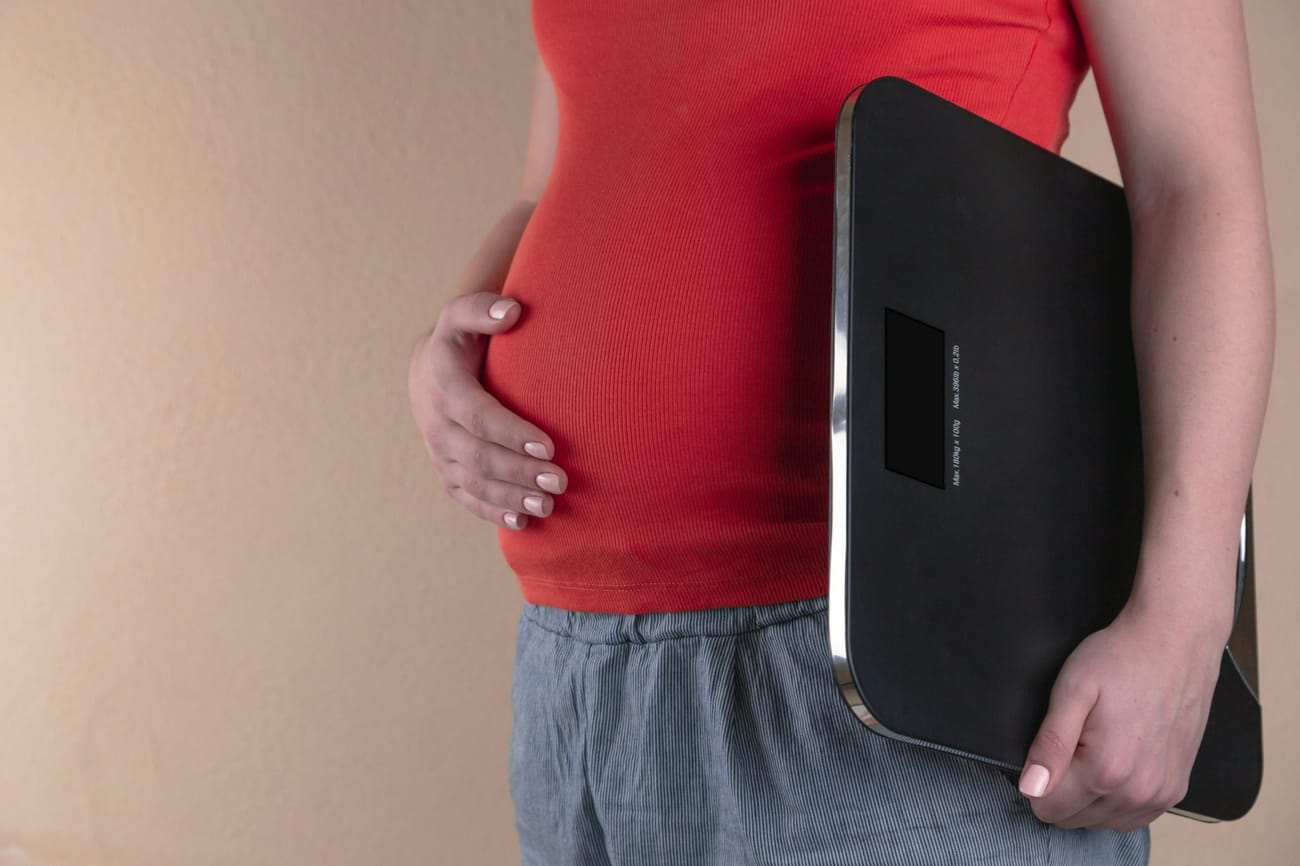 Photo by Volodymyr Hryshchenko on Unsplash
Bottom Line: Which Scale Is Right for You?
A body fat scale measures your weight accurately, but body fat and muscle mass are only estimates that can be off by several percentage points, depending on the model. The value lies in the trend: Measured under the same conditions on the same scale, the numbers give you a sense of how your body is changing.
If you’re on an iPhone or use Google Health and want to start cheap, the Renpho Elis 1 does the job. For Wi-Fi and more metrics at a low price, look at the Eufy Smart Scale P2 Pro. On Android, the Withings and Garmin models pass their data straight to Health Connect: the Withings Body Smart without and the Withings Body Scan with hand electrodes, and the Garmin Index S2 with Garmin Connect on top. If you want to track your arms, legs and torso separately, the Renpho MorphoScan Nova gives you hand electrodes for a lot less money.
Whichever scale you choose, what you do with the numbers is what counts. To see how losing fat and building muscle fit together, read our guide to gaining muscle while losing weight.

 Photo by