Intermittent fasting has moved from a fringe nutritional strategy to one of the most widely discussed approaches to weight management. Social media, best-selling books, and fitness influencers promote the method as a uniquely effective tool for rapid fat loss, improved metabolic health, and simplified meal planning. For serious lifters and recreational fitness enthusiasts, the relevant question is whether these claims hold up under scientific scrutiny and how different fasting protocols can be reconciled with the goals of muscle preservation and hypertrophy.
The evidence base has matured considerably in recent years. Several large systematic reviews and network meta-analyses now allow a nuanced judgment about the benefits, limitations, and appropriate applications of intermittent fasting. This article synthesizes the most important findings, explains the underlying physiology, and demonstrates how schedules such as 16:8 and 5:2 can be implemented in practice.
What intermittent fasting actually is
Intermittent fasting is not a specific food or macronutrient prescription but rather a temporal pattern of eating. Defined periods of zero or minimal calorie intake alternate with windows of normal food consumption. Unlike conventional diets that reduce total daily calories through portion control, intermittent fasting shifts attention to when eating occurs rather than how much is eaten at each meal.
The underlying concept is biologically grounded. Extended breaks between meals were common throughout human evolutionary history, and numerous religious traditions have incorporated cyclical fasting for centuries. Modern research has begun to systematically characterize the physiological responses to these patterns, revealing that the human body adapts to varying fasting durations through specific metabolic shifts that may carry health implications beyond simple caloric reduction.
How fasting changes your metabolism
During an extended fasting period, the body gradually shifts from burning recently consumed carbohydrates to mobilizing stored energy. After approximately 10 to 16 hours without food intake, fat stores are increasingly tapped, and ketone body production rises. This so-called metabolic switch is considered one of the central mechanisms through which intermittent fasting may produce its health effects.
Insulin concentrations fall substantially during the fasting window. Low insulin levels favor lipolysis, the breakdown of stored body fat, and improve cellular insulin sensitivity over time. At the cellular level, a process known as autophagy becomes more active. Damaged cellular components are identified and recycled, which, according to current research, correlates with improved cellular health and potentially slowed aging processes.
Mark Mattson, a leading researcher at the American National Institute on Aging, characterizes intermittent fasting as a form of mild cellular stress. Similar to the adaptive response triggered by intense exercise, cells upregulate their resistance to oxidative stress and other challenges. The actual clinical relevance of these mechanisms in humans, however, is more complex than the popular narrative often suggests, and researchers have repeatedly emphasized that well-controlled human trials are still needed to confirm animal findings.
 Photo by Icons8 Team on Unsplash
The most common fasting methods compared
Several distinct protocols have emerged under the umbrella of intermittent fasting, differing substantially in the length and frequency of their fasting windows. The following overview summarizes the most widely adopted variants along with their defining characteristics and suitability for strength training.
| Method | Fasting period | Eating window | Fit for strength training |
|---|---|---|---|
| 16:8 intermittent fasting | 16 hours daily | 8-hour window | Excellent, flexible training schedule |
| 14:10 intermittent fasting | 14 hours daily | 10-hour window | Excellent, ideal entry variant |
| 5:2 diet | 2 days per week at 500 to 600 kcal | 5 days of normal eating | Limited, no training on fasting days |
| Alternate-day fasting | Severely restricted every other day | Unrestricted every other day | Difficult, muscle retention challenging |
| Warrior Diet (20:4) | 20 hours | 4-hour window in the evening | Advanced users, requires planning |
| OMAD (One Meal A Day) | 23 hours | 1 meal per day | Problematic for muscle building |
The 16:8 variant has established itself as the most popular option because it integrates relatively easily into everyday life. The omitted meal block is usually breakfast, so the first meal occurs around noon or 1 PM and the last around 8 or 9 PM. For more thorough treatments of advanced protocols, see the articles on the Warrior Diet and the Renegade Diet, which describe concrete implementations tailored to strength athletes.
What the latest evidence actually shows
The large number of smaller studies published over the past decade has now been consolidated in several systematic reviews, and the results paint a more nuanced picture than many popular accounts suggest. A Cochrane review published in February 2026 analyzed 22 randomized controlled trials with a total of 1,995 participants and compared intermittent fasting to conventional dietary advice as well as to no-intervention control groups. The central finding was unambiguous: compared to standard dietary advice, intermittent fasting produced no clinically meaningful advantage in weight loss or quality of life. Versus no intervention, intermittent fasting led to a weight reduction of approximately 3.4 percent, which matches the effect of virtually any active dietary change. A plain-language summary by Cochrane and a companion press release situate these findings for a broader audience.
A network meta-analysis published in the British Medical Journal in June 2025 evaluated 99 randomized trials involving 6,582 adults and directly compared the various fasting methods to continuous caloric restriction. All fasting strategies produced weight loss compared to an ad-libitum diet. When directly compared to continuous caloric restriction, only alternate-day fasting showed a small additional advantage of about 2.8 pounds, a difference that fell below the 4.4-pound threshold considered clinically meaningful. In trials lasting longer than 24 weeks, even these differences between methods disappeared entirely.
A separate umbrella review from 2024 analyzed 23 meta-analyses with 351 individual comparisons and identified specific positive effects worth noting. In adults with overweight or obesity, intermittent fasting reduced waist circumference, fat mass, fasting insulin, LDL cholesterol, total cholesterol, and triglycerides compared to no intervention. At the same time, fat-free body mass increased by an average of just under 2.2 pounds, a finding with particular relevance for athletes concerned about muscle preservation during a cutting phase.
The synthesis of this evidence supports a balanced interpretation: intermittent fasting works for weight loss, but no better than other effective dietary strategies that create a caloric deficit. The primary mechanism of action is the resulting caloric reduction rather than the temporal structure itself. For specific metabolic markers such as insulin sensitivity and blood lipids, however, individual analyses continue to show distinct benefits.
Why intermittent fasting can still be a sensible choice
The finding that intermittent fasting is not metabolically superior to traditional caloric restriction does not diminish its practical value. For many people, the actual barrier to successful weight management is not the effectiveness of a given diet but its long-term sustainability. The temporal structure of intermittent fasting simplifies daily life, reduces the number of meals to plan, and requires no meticulous calorie counting. Those who tolerate skipping a meal well often create the necessary caloric deficit almost automatically, without constant attention to portion sizes.
For lifters, an additional consideration applies. A compressed eating window forces more deliberate planning of protein intake. Distributing the daily target of roughly 0.9 grams of protein per pound of body weight across two or three larger meals delivers a substantial anabolic stimulus per portion. The emphasis naturally shifts toward higher-quality, nutrient-dense meals. Sufficient protein intake, for instance through whey protein, fits easily within the eating window and supports muscle maintenance during the fasting phase.
A practical 16:8 schedule for lifters
An example schedule illustrates how the 16:8 method can be reconciled with the demands of a strength athlete. The eating window in this example extends from noon to 8 PM, creating a 16-hour fasting phase. The following table summarizes the daily flow with the core objective for each time block.
| Time | Phase | Recommendation |
|---|---|---|
| 8 PM (previous day) to 12 PM | Fasting phase (16 hours) | Water, unsweetened tea, black coffee only |
| 12 PM | Meal 1 (breaking the fast) | 7 oz chicken, 5 oz brown rice, vegetables, 1 tbsp olive oil (approx. 50 g protein, 60 g carbs) |
| 3 PM to 4 PM | Meal 2 (pre-workout) | Moderate carbohydrates for glycogen optimization, about two hours before training |
| 5 PM to 7 PM | Training | Strength training in the late eating window, ideal for post-workout nutrition |
| 7:30 PM to 8 PM | Meal 3 (closing the window) | Fish or meat, vegetables, moderate carbohydrates, optional protein shake and creatine |
During the morning hours, only calorie-free beverages such as water, unsweetened tea, or black coffee are consumed. These drinks do not physiologically interrupt the fasted state and are explicitly permitted by most protocols. At noon, the first meal combines substantial protein, complex carbohydrates, and healthy fats. In the late afternoon, approximately two hours before training, a second meal with moderate carbohydrate content helps optimize muscle glycogen stores for the upcoming session.
After training, which ideally occurs between 5 and 7 PM, a third meal closes the eating window. A protein-rich evening meal with fish or meat, mixed vegetables, and a moderate carbohydrate portion works well here. A supplemental protein shake can bring total daily intake to the target range. The timing of creatine intake is largely irrelevant as long as the daily dose remains consistent, making dinner a practical integration point.
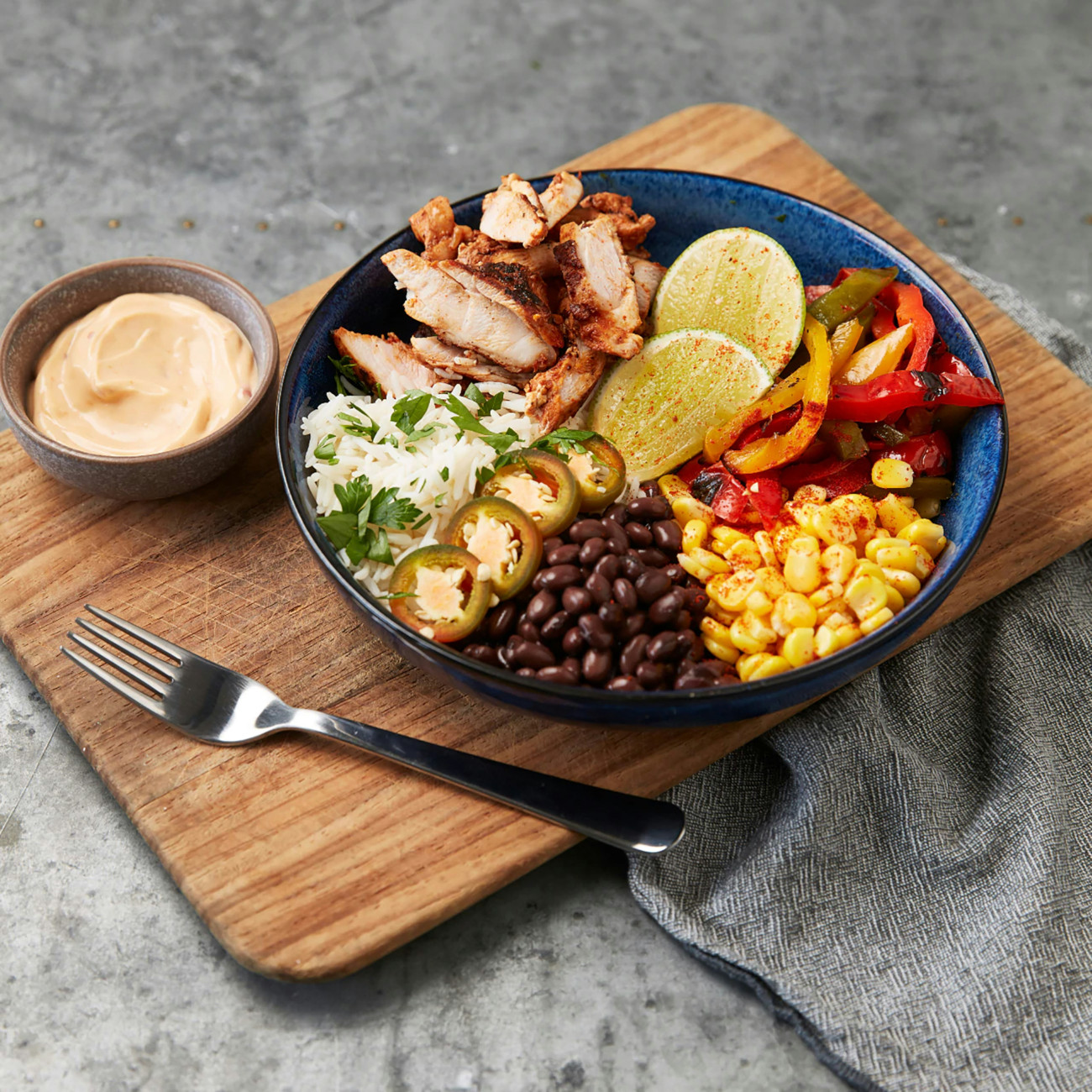 Photo by Andrew Relf on Unsplash
Who intermittent fasting suits and who should avoid it
The following overview allows a quick assessment of whether intermittent fasting is an appropriate option for a given situation.
| Group | Suitable? | Note |
|---|---|---|
| Healthy adults with weight management goals | Yes | Particularly well-suited when morning appetite is naturally low |
| Dedicated strength athletes | Yes (16:8 preferred) | Distribute protein across two to three meals, muscle retention feasible |
| Individuals with type 2 diabetes or insulin resistance | Conditional | Only with medical clearance, potential positive effects on insulin sensitivity |
| Elite athletes with very high energy demands | Generally no | Consuming required calories within an 8-hour window is often impractical |
| Pregnant or breastfeeding women | No | Elevated nutrient requirements, extended fasting periods contraindicated |
| Individuals with a history of eating disorders | No | Structured eating windows may reactivate restrictive patterns |
| Individuals with type 1 diabetes | No | Risk of severe hypoglycemia during prolonged fasting periods |
| Adolescents still in their growth phase | No | Continuous nutrient supply required for growth and development |
The method is generally well-suited for healthy adults with normal or elevated body weight who are seeking a structured framework for caloric regulation. It works particularly well for individuals who do not typically eat breakfast or find morning meals unappealing. The natural alignment with personal appetite rhythms substantially increases the probability of long-term adherence. Medical consultation is strongly recommended before starting any fasting protocol if underlying conditions or medications are involved.
Possible side effects during the adaptation phase include headaches, irritability, difficulty concentrating, and disrupted sleep. These symptoms typically subside within one to two weeks as the body adjusts to the new pattern. Adequate hydration and sufficient mineral intake, particularly sodium, potassium, and magnesium, ease the transition considerably.
 Photo by Alonso Reyes on Unsplash
Summary and practical recommendation
Intermittent fasting is a well-researched nutritional concept that can support weight loss and improve various metabolic parameters. Current evidence makes clear, however, that the method is not superior to conventional caloric-restriction diets. The primary mechanism is the resulting caloric deficit rather than the temporal structure itself. Lifters who internalize this framing can treat intermittent fasting as one of several effective tools and select it based on personal preferences and lifestyle fit rather than on inflated claims of metabolic magic.
For serious strength athletes, 16:8 fasting is particularly well-suited because it integrates without major compromises into the demands of protein intake and training planning. The 5:2 diet and alternate-day fasting require more careful planning to avoid muscle loss and represent the more challenging option for advanced practitioners. Combined with adequate protein intake, targeted supplementation with creatine, and a structured training plan, intermittent fasting provides a sustainable framework for weight regulation that adds structure to everyday life without jeopardizing training progress.
As an Amazon Associate I earn from qualifying purchases. However, the price remains unchanged for you. Thanks to the revenue, ShapeGanic is available to you at no cost.


 Photo by