Zinc ranks among the most important essential trace elements in the human body. As a cofactor for more than 300 enzymes and over 2,000 transcription factors, this mineral participates in metabolic processes affecting virtually every cell — from immune defense and protein synthesis to the regulation of hormonal output. Despite its widespread presence in food, athletes consistently show suboptimal zinc status, which can measurably impair performance and recovery in ways that often go unnoticed.
Choosing the right zinc compound matters considerably more than most people realize. Bioavailability varies dramatically between forms: zinc sulfate and zinc oxide, commonly found in inexpensive supplements, are absorbed far less efficiently than zinc bisglycinate or zinc citrate. This article explains which form suits which situation, what optimal dosage looks like for strength athletes, and what the scientific evidence says about the benefits of supplementation.
The Biological Role of Zinc
The human body contains a total of approximately 2 to 3 grams of zinc, with around 60 percent concentrated in skeletal muscle and roughly 30 percent in bone tissue. Liver, skin, kidneys, and prostate account for the remainder. Unlike iron or calcium, the body maintains no dedicated zinc reservoir capable of sustaining stable levels over weeks of insufficient intake — making consistent daily supply through diet or supplementation essential.
For bodybuilders, the most directly relevant function is zinc’s involvement in protein synthesis. The mineral participates in ribosomal activity and regulates the translation of genetic information into functional proteins. Without adequate zinc, optimal muscle hypertrophy is biochemically not achievable. It plays an equally important role in cell proliferation and differentiation, directly influencing the body’s capacity to repair muscle tissue after training. Supplementing with whey protein optimizes amino acid availability, but zinc is part of the cellular machinery that puts those amino acids to work.
Beyond protein metabolism, zinc participates directly in testosterone biosynthesis as a cofactor of 17-beta-hydroxysteroid dehydrogenase, placing it firmly within the androgenic hormone production pathway. As a structural component of superoxide dismutase, it also neutralizes free radicals generated during intense exercise — a protective antioxidant role that correlates directly with recovery speed and long-term training adaptability.
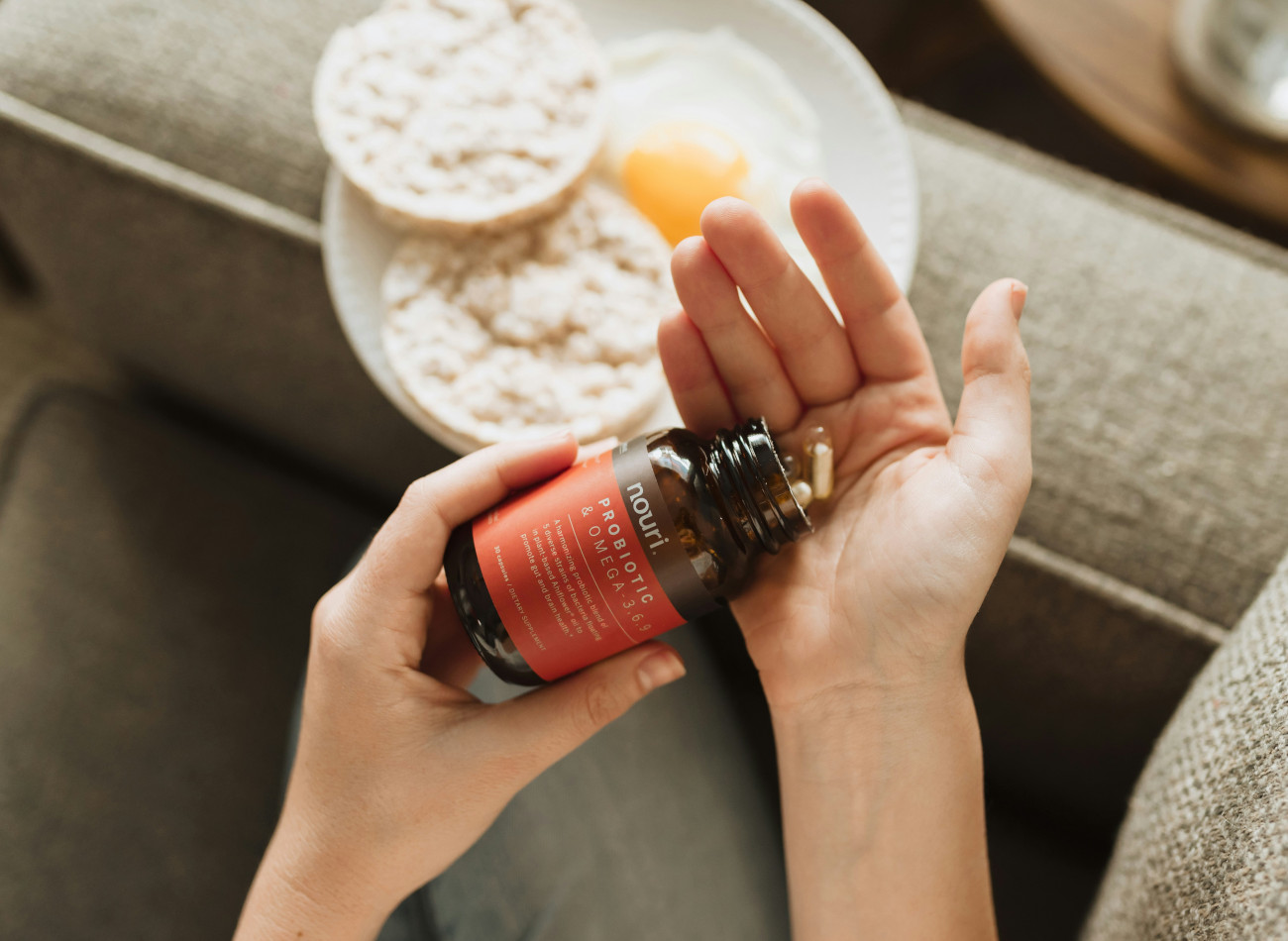 Photo by Daily Nouri on Unsplash
Zinc in Food Sources
Bioavailability of zinc from food depends heavily on the surrounding food matrix. Animal products such as red meat, shellfish, and dairy provide the most reliable sources, as their zinc is absorbed directly. Plant-based sources like legumes, whole grains, and nuts contain meaningful amounts on paper, but much of this zinc is bound to phytic acid, which inhibits intestinal absorption by 40 to 60 percent.
| Food Source | Zinc per 3.5 oz (100 g) | Bioavailability |
|---|---|---|
| Oysters | 16–60 mg | Very high |
| Beef liver | 5–7 mg | High |
| Beef | 4–6 mg | High |
| Emmental cheese | 4–5 mg | Medium to high |
| Pumpkin seeds | 7–10 mg | Low (phytate binding) |
| Chicken breast | 1.5–2 mg | High |
| Oats | 3–4 mg | Low (phytate binding) |
| Lentils (cooked) | 1.3–1.6 mg | Low (phytate binding) |
For vegetarians and vegans, meeting zinc requirements presents a structural challenge. Health authorities typically recommend up to 50 percent higher intake for these groups to compensate for reduced plant-source bioavailability. Soaking and sprouting legumes can partially reduce phytate content, but for anyone training at significant intensity, dietary adjustments alone rarely close the gap reliably.
Zinc Deficiency in Athletes
Intense physical training elevates zinc requirements through several simultaneous mechanisms. The body loses between 1 and 1.5 milligrams of zinc per liter of sweat; with two to three liters of fluid loss during demanding sessions, these figures accumulate into a clinically meaningful deficit. Oxidative stress from heavy training concurrently increases antioxidant zinc consumption, while calorie-restricted dieting — standard practice during contest prep or cutting phases — further suppresses intake.
Research on competitive athletes demonstrated that exhaustive training produced significantly lower zinc and testosterone levels compared to moderate training, and that four weeks of supplementation measurably improved both parameters. A broader review of zinc deficiency documents the downstream consequences of suboptimal status: impaired immune response, slower wound healing, fatigue, and reduced testosterone concentrations. That last point carries particular weight for bodybuilders, since testosterone is among the strongest predictors of muscle hypertrophy and recovery quality.
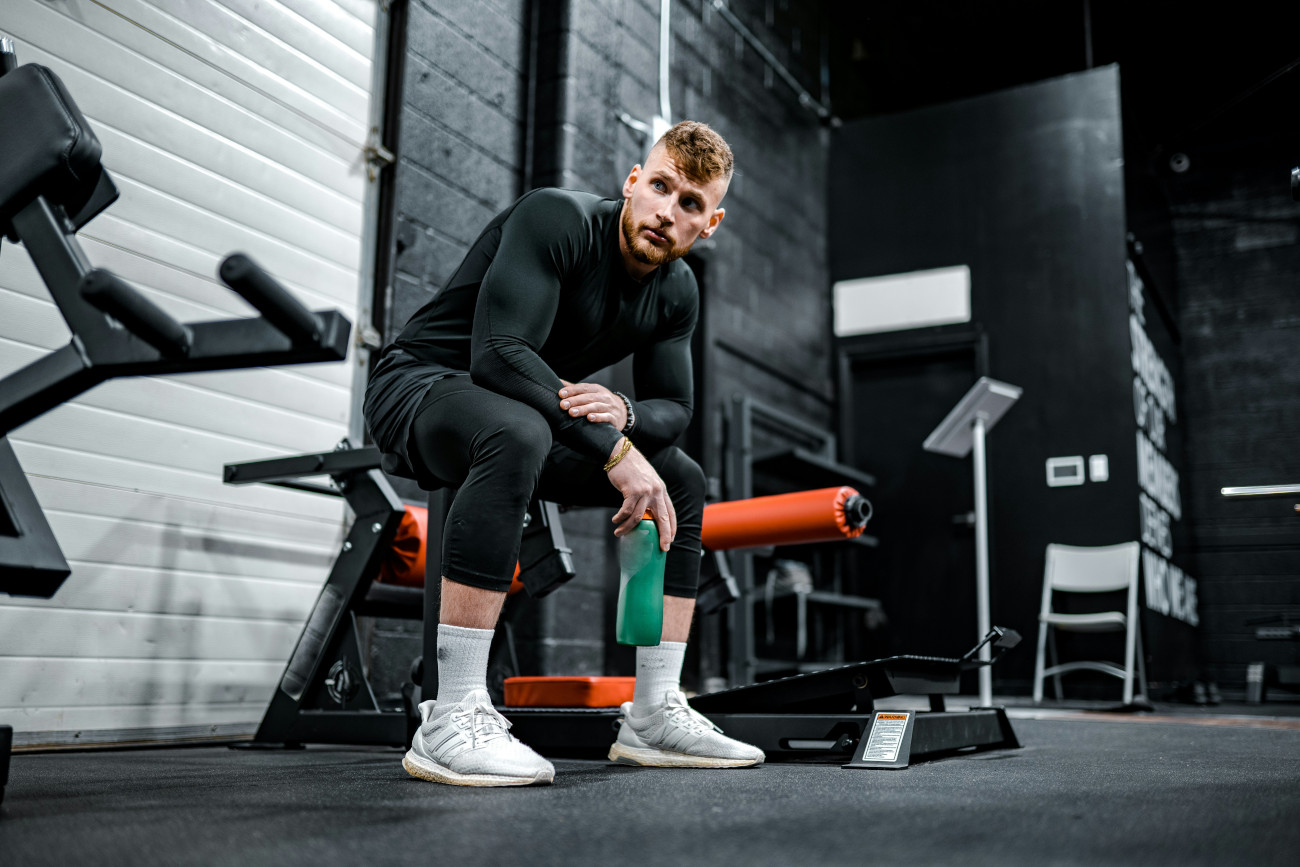 Photo by Anastase Maragos on Unsplash
Zinc Forms Compared
Anyone looking for a quality zinc supplement will quickly encounter a range of compounds that differ substantially in bioavailability, tolerability, and price. Bioavailability — the proportion of ingested zinc that the body can actually utilize — is the decisive quality criterion and the primary reason form selection matters.
| Form | Compound Type | Bioavailability | Tolerability | Notes |
|---|---|---|---|---|
| Zinc bisglycinate | Chelate (glycine) | Very high | Excellent | Best choice for long-term supplementation |
| Zinc picolinate | Chelate (picolinic acid) | High | Very good | Excellent tissue uptake; widely used in North America |
| Zinc citrate | Organic salt | High | Good | Strong value for money; widely available |
| Zinc gluconate | Organic salt | Medium | Good | Common in lozenges for cold symptom relief |
| Zinc sulfate | Inorganic salt | Medium | Fair | GI side effects possible; primarily clinical use |
| Zinc oxide | Inorganic salt | Low | Good | Not suitable for oral supplementation |
Zinc bisglycinate is the clear first choice for long-term supplementation. As a chelate compound, zinc is bound to two glycine molecules, improving intestinal absorption while minimizing gastrointestinal side effects — a meaningful advantage when taking supplements daily over extended periods. Zinc citrate offers a strong alternative with high bioavailability at a more accessible price point. Zinc oxide, despite appearing in many products due to its low manufacturing cost, should be avoided as an oral supplement: its poor bioavailability makes reliable coverage of actual requirements with practical doses nearly impossible.
Scientific Evidence
The Cochrane Collaboration has subjected zinc to multiple systematic reviews across different health contexts. An analysis of zinc taken therapeutically at the onset of cold symptoms found that early administration significantly reduces the duration and severity of illness. A separate Cochrane review on preventive use indicates that regular supplementation reduces the frequency of respiratory infections in both adults and children — relevant for athletes whose high training volumes place chronic pressure on immune defenses. Across viral respiratory illness more broadly, protective effects have also been observed.
For strength athletes, the most compelling evidence concerns zinc’s relationship with testosterone. A study investigating this link confirmed that zinc deficiency is associated with significantly reduced testosterone concentrations, and that adequate supplementation can normalize these values. A critical nuance applies here: zinc does not elevate testosterone above physiologically normal levels. The benefit is specific to individuals with deficiency or marginal status — precisely the situation common among intensively training athletes with elevated sweat losses and restricted caloric intake. Combined with creatine and beta-alanine, optimized zinc status creates a well-rounded foundation for performance-oriented supplementation.
Dosage and Timing
The recommended dietary allowance in the United States is 11 milligrams per day for men and 8 milligrams for women. For athletes with high training volume, these values represent a minimum rather than an optimal target. Practical experience and available research support daily totals of 15 to 25 milligrams for strength athletes, with the precise amount depending on dietary zinc intake, training frequency, and individual sweat rates.
| Group | Recommended Daily Dose | Optimal Timing | Notes |
|---|---|---|---|
| Non-athletes (men) | 11 mg | With a meal | Standard RDA |
| Non-athletes (women) | 8 mg | With a meal | Standard RDA |
| Strength athletes | 15–25 mg | Evening with meal | Separate from calcium and iron |
| Endurance athletes | 15–20 mg | Post-workout | Compensates elevated sweat losses |
| Vegetarians/vegans | Up to 50% more | With a meal | Accounts for reduced plant-source absorption |
Timing affects bioavailability meaningfully. Zinc should never be taken on an empty stomach, as this commonly causes nausea. Taking it with a protein-containing meal is ideal. Calcium and iron compete with zinc for the same intestinal transport proteins, so supplementing them simultaneously will reduce absorption of all three — a gap of at least two hours is advisable. Black coffee and black tea can similarly impair absorption and should not be consumed at the same time.
For strength athletes, an evening dose is particularly practical. In combination with magnesium, zinc may support sleep quality and nocturnal hormone release, which is why the pairing — commonly marketed as ZMA alongside vitamin B6 — has long been popular in bodybuilding circles. Integrating zinc into an existing evening supplement routine is straightforward and promotes consistent daily compliance.
Safety and Interactions
Zinc is a well-tolerated supplement when used appropriately. The tolerable upper intake level established by the National Institutes of Health is 40 milligrams per day for adults — a threshold that recommended athlete dosages do not approach. Chronically exceeding 40 milligrams daily can induce secondary copper deficiency, as zinc and copper compete during intestinal absorption. Very high long-term doses may also negatively affect HDL cholesterol concentrations.
Relevant drug interactions exist with fluoroquinolone and tetracycline antibiotics, whose absorption is reduced by concurrent zinc intake. If taking these medications, spacing zinc supplementation by at least two hours and consulting with a healthcare provider is advisable. Pregnant and nursing women should adjust their intake to account for elevated requirements while staying within clinically recommended ranges.
Summary and Practical Recommendations
Zinc is an essential mineral whose significance for strength athletes extends well beyond general health maintenance. Immune function, protein synthesis, and testosterone status are all directly dependent on adequate zinc supply, and intense training raises requirements through sweat losses and elevated antioxidant demand. For many athletes, targeted supplementation is not merely beneficial but necessary to maintain the biochemical environment in which adaptation and recovery can occur efficiently.
Form selection determines supplementation efficiency. Zinc bisglycinate and zinc citrate are clearly preferable due to their superior bioavailability, while zinc oxide is unsuitable for oral supplementation despite its prevalence in low-cost products. A daily dose of 15 to 25 milligrams, taken with an evening meal and separated from calcium and iron, covers the elevated needs of active athletes within a safe dosing margin. Together with creatine, adequate protein intake, and a structured training plan, optimized zinc status forms a foundational element of evidence-based supplementation for muscle building and performance.
As an Amazon Associate I earn from qualifying purchases. However, the price remains unchanged for you. Thanks to the revenue, ShapeGanic is available to you at no cost.
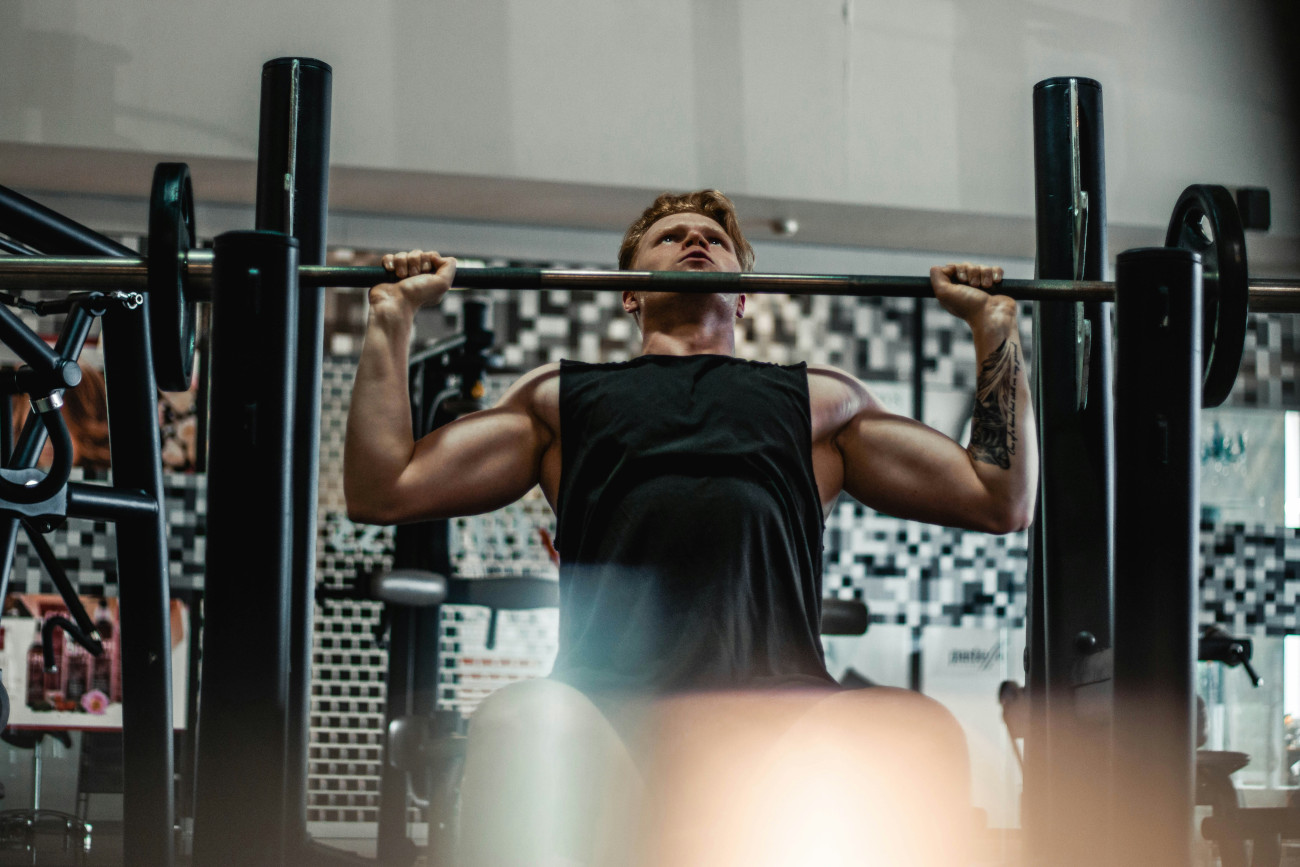

 Photo by