The warrior diet promises rapid fat loss while preserving muscle mass through an extreme 20:4 intermittent fasting protocol. While most nutrition approaches distribute multiple meals throughout the day, this method demands the exact opposite: 20 hours of fasting followed by a brief four-hour eating window. For strength athletes and bodybuilders, the critical question arises whether such a compressed timeframe suffices to meet elevated nutrient requirements and support muscle growth.
Scientific research reveals remarkable findings. A study with trained athletes demonstrated that intermittent energy restriction preserves muscle mass significantly better than continuous calorie reduction. Participants following an intermittent protocol lost merely 0.9 pounds of fat-free mass, while the control group with continuous restriction forfeited 2.9 pounds. This 67 percent superiority in muscle preservation makes intermittent fasting particularly interesting for athletes seeking simultaneous fat loss and muscle retention.
What Is the Warrior Diet?
The warrior diet was developed in 2001 by Ori Hofmekler, a former member of Israeli Special Forces. His observations of ancient warriors who ate sparingly during the day and consumed substantial feasts after battle formed the foundation of this nutritional concept. Hofmekler postulated that the human body functions in natural cycles of activity and rest, alertness and sleep, as well as undereating and overeating.
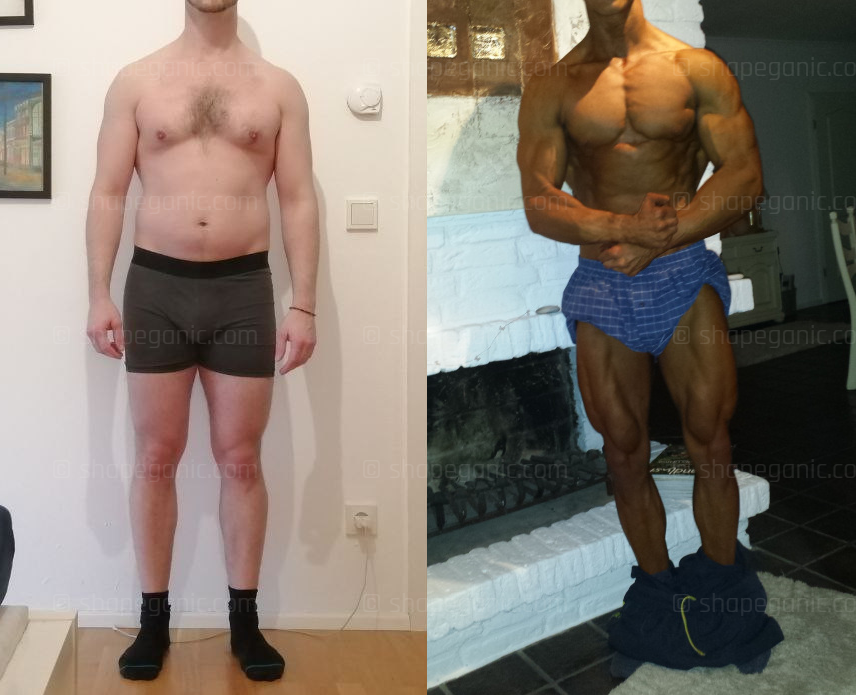 -31 pounds in 27 weeks
The concept divides the day into two clearly defined phases. During the 20-hour undereating phase, which typically encompasses the entire day, the body activates the sympathetic nervous system. This state increases alertness, enhances fat burning, and mobilizes energy reserves. The four-hour overeating phase in the evening activates the parasympathetic nervous system, promoting regeneration, digestion, and metabolic regulation.
Unlike pure fasting, the warrior diet permits small amounts of certain foods during the undereating phase. Raw fruits and vegetables, hard-boiled eggs, Greek yogurt, and fresh vegetable juices are allowed in limited quantities. This flexibility distinguishes the method from stricter fasting protocols and aims to improve practical applicability in daily life.
How the 20:4 Intermittent Fasting Works
Practical implementation begins with establishing the eating window. Most users select the timeframe between 4:00 PM and 8:00 PM or 6:00 PM and 10:00 PM. This evening placement corresponds to natural circadian rhythms and enables social meals after work. During the 20-hour fasting phase, total calorie intake should not exceed 500 calories.
The eating window follows a specific sequence. Entry occurs with mild flavors such as raw vegetables and salads, which gently activate the digestive system. Protein-rich foods like lean meat, fish, or plant-based protein sources follow subsequently. Complex carbohydrates from whole grains, sweet potatoes, or rice conclude the sequence. This progression optimizes nutrient absorption and prevents digestive discomfort from rapid food intake after prolonged fasting.
Hofmekler’s original concept includes three initial adaptation phases. The first week focuses on detoxification without meat consumption, the second week on fat adaptation without grains, and the third week alternates between high-carbohydrate and high-protein days. After these three weeks, users follow the basic 20:4 pattern without strict phase requirements.
Building Muscle on the Warrior Diet
The greatest challenge for strength athletes consists of consuming sufficient protein and calories within a four-hour window. Scientific investigations demonstrate that during energy restriction, between 0.7 and 1 gram of protein per pound of fat-free body mass is required to minimize muscle breakdown. For a 180-pound athlete with 15 percent body fat, this equates to approximately 107 to 153 grams of protein daily.
The temporal placement of training proves to be a decisive factor. Optimal is a training timepoint two to three hours before the eating window opens. A workout at 5:00 PM followed by an eating window from 6:00 PM enables immediate post-workout nutrition during the anabolic phase. Studies confirm that testosterone levels decline after 45 minutes of intense training, which is why shorter training sessions of 20 to 45 minutes are recommended.
Supplementation plays a central role. Branched-chain amino acids should be consumed every three to four hours during the fasting phase to prevent muscle breakdown. Particularly during fasted training, 10 grams before training commencement are essential. creatine supports strength development with a daily dose of 5 grams, ideally consumed after training. Details on optimal supplementation can be found in our specialized article.
Slow protein release overnight prevents nocturnal muscle breakdown. Casein delivers amino acids continuously to the musculature over six to eight hours. A double serving of approximately 60 grams shortly before sleep maximizes this effect. The slow digestion rate distinguishes casein from fast-acting whey protein and makes it the ideal choice for the lengthy fasting period during sleep.
Sample Warrior Diet Meal Plan
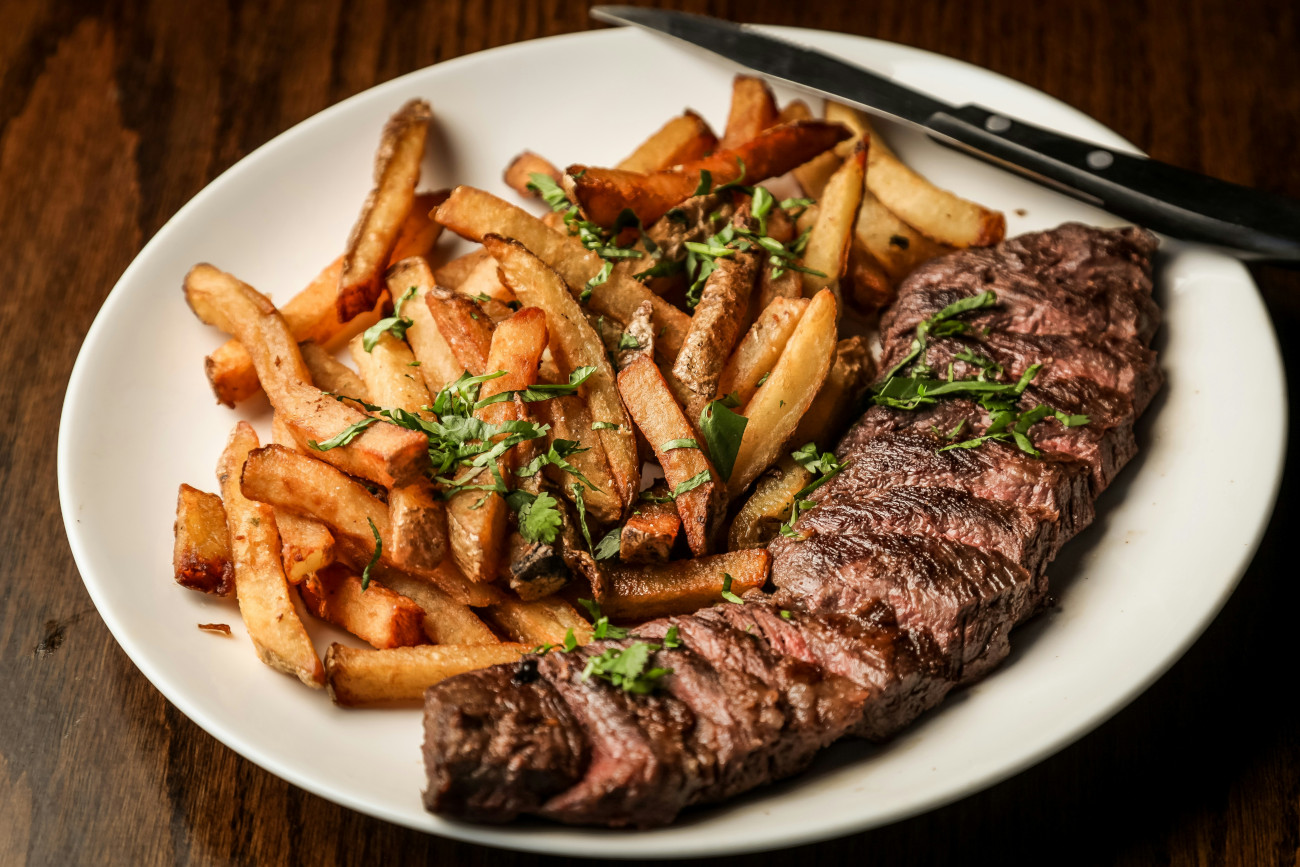 Photo by Tim Toomey on Unsplash
A practical daily schedule for a 180-pound strength athlete with evening training could be structured as follows. The fasting phase dominates the day, while the four-hour eating window is strategically placed around the training session.
| Time | Phase | Meal / Activity |
|---|---|---|
| 6:00 AM | Fasting Phase | Large glass of water upon waking |
| 9:00 AM | Fasting Phase | Black coffee or green tea Optional: 5g BCAAs |
| 12:00 PM | Fasting Phase | 5 oz Greek yogurt (0% fat) approx. 15g protein, 80 kcal |
| 3:00 PM | Fasting Phase | 1 serving Whey protein (1 scoop) + 5g BCAAs |
| 4:30 PM | Pre-Workout | 1 slice whole grain bread Black coffee |
| 5:00-5:45 PM | Training | Strength training (45 minutes) During: 1 serving whey protein in water |
| 6:00 PM | Eating Window | Post-Workout: 1 serving whey protein 50g fast carbs (dextrose) or 7 oz sweet potatoes |
| 7:00 PM | Eating Window | Main Meal: 12 oz lean chicken or beef Large mixed salad with olive oil 10 oz steamed vegetables approx. 70g protein, 500 kcal |
| 8:30 PM | Eating Window | Second Meal: 7 oz sweet potatoes 1 whole grain roll with 1 tbsp honey 2 tbsp natural peanut butter approx. 400 kcal |
| 9:30 PM | Before Sleep | 2 servings casein (2 scoops) Slow protein release overnight |
| 10:00 PM | Fasting Phase | Eating window closes |
Macronutrient Summary
This daily plan delivers approximately 160 grams of protein, 200 grams of carbohydrates, and 45 grams of fat at a total caloric content of roughly 2,000 kilocalories. These values can be adjusted according to individual requirements. Calculating individual calorie needs forms the foundation for successful muscle building or fat loss. The strategic distribution of nutrients optimizes post-workout recovery and minimizes nocturnal muscle breakdown through slow casein release.
Warrior Diet Results and Experiences
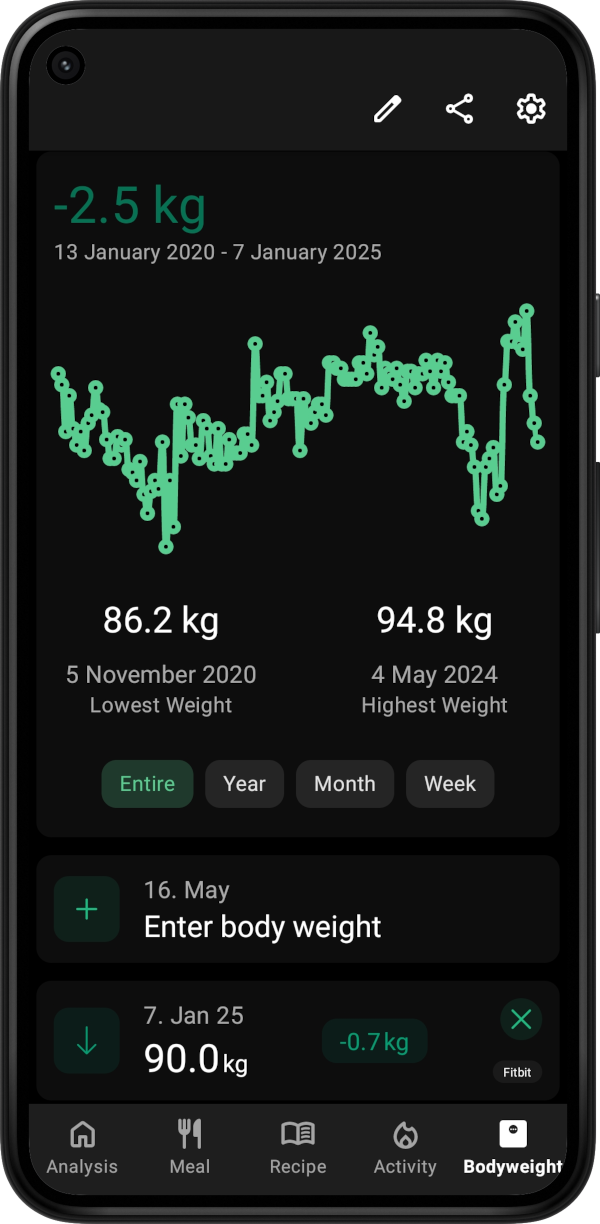
Practical experiences with the warrior diet vary considerably. Many users report substantial weight loss between 1 and 2 pounds weekly. A 39-year-old user lost approximately 105 pounds over an extended period, progressing gradually from 14:10 through 16:8 to 20:4. Another woman in her forties documented a loss of about 30 pounds over a two-year timeframe.
Mental effects receive particularly frequent emphasis. Numerous users describe enhanced cognitive clarity during the fasting phase. The absence of constant food intake and digestive work appears to elevate concentration capacity. Simultaneously, many report consistent energy throughout the day without typical performance dips after meals.
The adaptation phase presents a considerable challenge. Headaches, dizziness, and intense hunger attacks frequently dominate the first one to two weeks. One military user reported declining performance values and muscle loss, while others experienced performance improvements precisely during fasted training. This discrepancy underscores individual variability in adaptation capacity to extreme fasting protocols.
The social component causes many difficulties. Lunch appointments with colleagues, weekend family meals, or spontaneous gatherings frequently conflict with the narrow eating window. Daily flexibility suffers under the strict temporal structure, which impairs long-term feasibility.
Comparing 16:8 vs 20:4 Warrior Fasting
The differences between moderate 16:8 and extreme 20:4 intermittent fasting are significant. The eight-hour eating window enables two to three complete meals with sufficient time for appropriate portion sizes. Social flexibility remains largely preserved since typical meal times are covered. Long-term sustainability proves substantially higher, which is crucial for sustainable dietary changes.
| Aspect | 16:8 Intermittent Fasting | 20:4 Warrior Diet |
|---|---|---|
| Fasting Time | 16 hours | 20 hours |
| Eating Window | 8 hours (2-3 meals) | 4 hours (1-2 meals) |
| Difficulty Level | Beginner-friendly | Advanced |
| During Fasting | Only zero-calorie beverages | Small amounts permitted |
| Social Flexibility | High | Low |
| Long-term Sustainability | High | Low |
Metabolic advantages differ primarily in intensity. Both methods activate metabolic switching from glucose to fat metabolism after approximately 12 hours. Cellular autophagy, an important cleansing process, begins only after 17 to 18 hours and is therefore fully achieved only with the warrior diet. The practical relevance of these theoretical advantages for average athletes remains disputed.
A gradual progression is recommended for beginners. Starting with 12:12 or 14:10 enables gentle acclimation to longer eating breaks. After two weeks follows advancement to 16:8, which represents the optimal compromise between effectiveness and practicality for most people. Only when this level is mastered effortlessly should further increases to 18:6 and finally 20:4 be considered. This gradual approach minimizes dropout rates and enables sustainable behavioral changes.
Scientific Foundations
 Photo by Scott Graham on Unsplash
Metabolic adaptations during fasting begin after approximately 12 hours. The body depletes its glycogen stores and switches to fat burning as the primary energy source. This process activates various cellular signaling pathways that occur independently of weight loss or calorie restriction. The activation of AMPK and suppression of mTOR signaling improves metabolic flexibility and promotes cellular health.
Benefits for trained athletes were investigated in a seven-week controlled study. The group with intermittent energy restriction practiced five days with 35 percent calorie reduction followed by two days with normal calorie intake. The control group received continuously 25 percent fewer calories. Results showed a significant difference in fat-free mass retention. While the intermittent group lost statistically non-significant 0.9 pounds, the continuous group forfeited significant 2.9 pounds.
Metabolic rate also remained better preserved with intermittent restriction. Basal metabolic rate declined merely by 38 kilocalories daily compared to 78 kilocalories in the control group. This 51 percent superiority in metabolism preservation partially explains better long-term success. A longer-term study over several months confirmed these results with 54 percent more weight loss in the intermittent group.
Hormonal adaptations during fasting optimize body composition. Reduced insulin levels increase insulin sensitivity and facilitate fat mobilization. Simultaneously, growth hormone secretion rises, promoting fat breakdown and protecting musculature. Subsequent food intake during the eating window activates muscle protein synthesis through insulin-mediated anabolic signals.
Practical Implementation Tips
Fluid intake proves to be a critical success factor. Substantially more water than usual should be consumed, at least 100 fluid ounces daily for men and 70 fluid ounces for women. Black coffee and green tea additionally suppress appetite and deliver antioxidants. Carbonated water creates satiety through gastric distension. Supplementation with electrolytes prevents dehydration and maintains energy levels.
Managing hunger phases requires strategies. Occupation diverts attention from hunger sensations, as boredom amplifies awareness of physical needs. Sufficient sleep regulates hunger hormones like ghrelin and leptin. During acute hunger attacks, waiting 20 minutes helps, as these frequently pass spontaneously. If extreme hunger occurs, the warrior diet permits small amounts of hard-boiled eggs or Greek yogurt.
Common mistakes jeopardize success. Insufficient calorie intake during the eating window leads to muscle loss and metabolic slowdown. Tracking macronutrients prevents this error. Excessive consumption of nutrient-poor foods during the feast impairs body composition despite calorie deficit. Prioritizing protein in every meal ensures muscle supply. Excessively intensive or lengthy training sessions during the fasted state promote muscle breakdown instead of fat burning.
Social situations require flexibility. During events in the fasting phase, the eating window can be shifted on individual days. Honest communication about dietary practices prevents uncomfortable situations. Meetings can alternatively be organized as walks or coffee breaks without food. Utilizing lunch breaks for physical activity instead of food intake uses time productively.
Contraindications and Warning Signs
Certain population groups should not practice the warrior diet. Pregnant and nursing women require continuous nutrient supply for child development. Children and adolescents during growth risk developmental disorders through extreme eating windows. Individuals with current or past eating disorders could experience relapses through the restrictive pattern. Type 1 diabetics endanger blood sugar control through prolonged fasting phases.
Special caution applies to additional groups. Professional athletes with multiple daily training sessions require constant energy supply for optimal performance. Chronic conditions of thyroid, liver, or kidneys necessitate regular food intake for medication effectiveness. Underweight individuals exacerbate existing deficiency states through further calorie restriction. Women with hormonal imbalances risk menstrual cycle disruptions through additional stress.
Certain warning signs require immediate cessation. Extreme dizziness or fainting episodes indicate dangerous metabolic derailments. Severe mood changes or depressive moods exceed normal adaptation phases. Persistent sleep disorders over multiple weeks impair regeneration. Menstrual absence signals hormonal dysregulation in women. Rapid muscle loss despite adequate protein intake reveals inadequate total calorie amounts. Obsessive thoughts about food or social isolation due to dietary practices characterize problematic eating behavior.
Conclusion
The warrior diet represents an extreme form of intermittent fasting that can be effective for specific goals during limited timeframes. Scientific evidence for superior muscle preservation during energy restriction is convincing. Practical applicability in daily life proves challenging, particularly for socially active individuals or beginners in nutrition optimization.
For strength athletes, the method offers advantages during cutting phases of one to three months. The combination of fat loss and muscle preservation surpasses continuous calorie restriction. Maximum muscle building does not benefit from extreme eating windows, as multiple daily protein intakes stimulate muscle protein synthesis more frequently. Effective strategies for fat loss also exist with more moderate approaches.
Gradual progression from 16:8 to 20:4 minimizes dropout rates and enables realistic assessment of individual tolerance. Not everyone must or should practice the most extreme fasting form. The best nutritional strategy remains the one that can be sustained long-term and fits personal life circumstances. A fitness tracker supports precise monitoring of progress and adjustment requirements.
Those seeking motivation for their transformation journey will find valuable mental strategies that complement any dietary approach. The warrior diet demands not only physical discipline but also psychological fortitude, making mental preparation equally important as nutritional planning.
As an Amazon Associate I earn from qualifying purchases. However, the price remains unchanged for you. Thanks to the revenue, ShapeGanic is available to you at no cost.

 Photo by