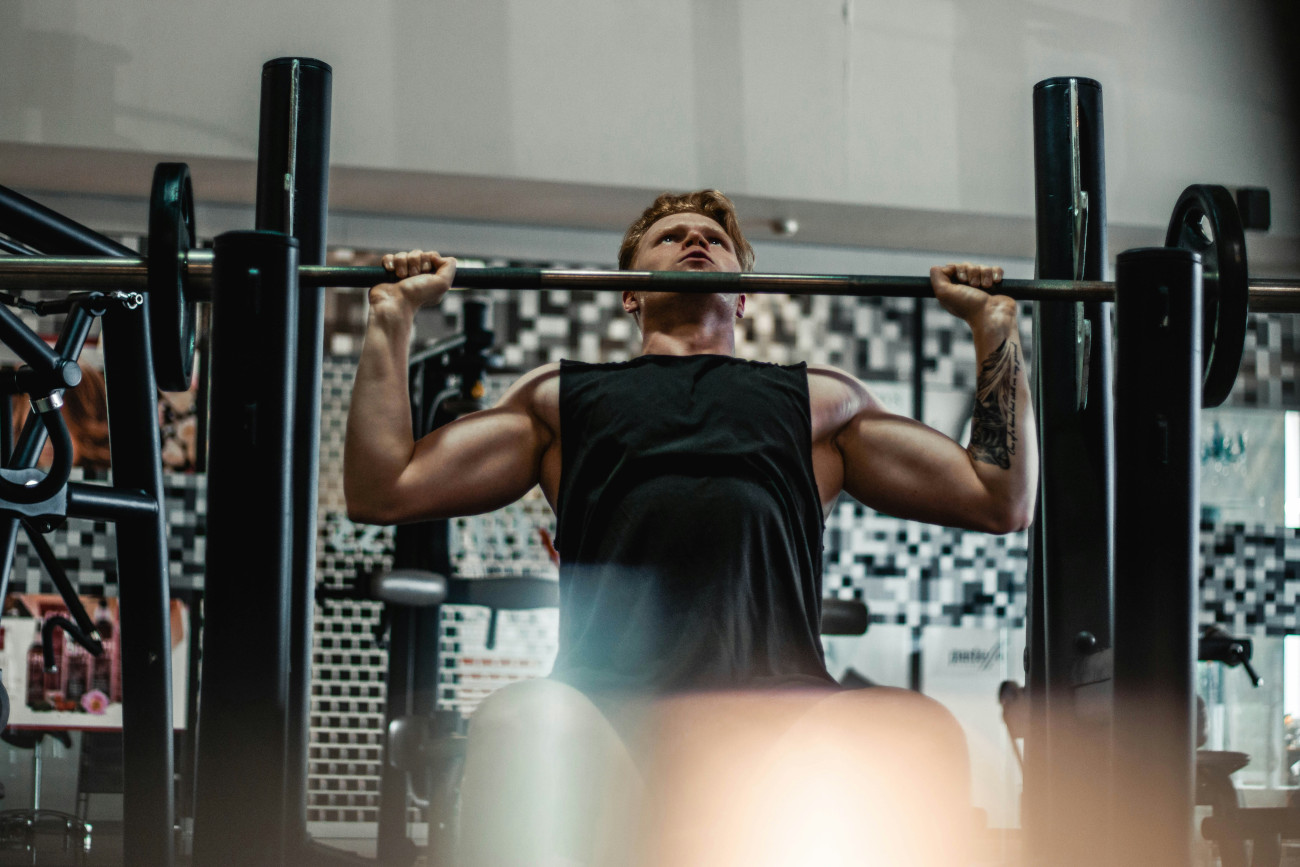
Beta-alanine ranks alongside creatine as one of the few supplements whose performance-enhancing effects are supported by numerous scientific studies. While creatine improves power output during short, explosive efforts, beta-alanine excels during longer, intense exercise lasting between 60 and 240 seconds. This duration perfectly matches many training sets performed by ambitious bodybuilders working with moderate to heavy weights in the eight to twenty repetition range.
The biochemical mechanisms behind beta-alanine’s effects are now well understood. The amino acid serves as a precursor to the dipeptide carnosine, which acts as an intramuscular buffer delaying muscle acidification during intense exercise. This allows more repetitions with a given weight, leading to higher training volume and potentially improved muscle growth over time.
The Biochemical Foundation of Beta-Alanine
Beta-alanine is a non-proteinogenic beta-amino acid that the body doesn’t use for building muscle protein. This fact shouldn’t be confused with lack of relevance. The amino acid occurs naturally in protein-rich foods like poultry, beef, and pork, though amounts obtained through diet are insufficient for performance-enhancing effects.
In muscle tissue, beta-alanine combines with the amino acid histidine to form the dipeptide carnosine. While histidine is available in sufficient quantities with protein-rich nutrition, beta-alanine represents the limiting factor for carnosine synthesis. This explains why beta-alanine supplementation can significantly increase intramuscular carnosine concentrations, while additional histidine shows no measurable effect.
Carnosine concentrates particularly in fast-twitch Type II muscle fibers, which are primarily engaged during intense strength training. Its primary function involves buffering hydrogen ions that accumulate during anaerobic energy production. During intense muscle contractions, lactate production increases, whose dissociation raises hydrogen ion concentration. This causes a pH drop in the muscle, impairing contractile function and leading to premature fatigue.
Elevated carnosine concentrations delay this pH decline. Muscle cells remain contractile longer, manifesting practically as additional repetitions or prolonged maintenance of training intensity. Research shows that carnosine contributes approximately 20 percent to total muscle buffering capacity. Doubling carnosine concentration through beta-alanine supplementation can thus significantly improve buffering capacity.
Beta-Alanine in Food Sources
Beta-alanine occurs exclusively in animal foods, with concentrations varying considerably by meat type. Plant-based foods contain virtually no beta-alanine, presenting particular challenges for vegetarians and vegans. The highest concentrations are found in red meat, followed by poultry and fish.
The following table shows average beta-alanine content in various foods per 3.5 ounces (100 grams):
| Food Source | Beta-Alanine per 3.5 oz | Amount Needed for 4g Beta-Alanine |
|---|---|---|
| Horse Meat | 1,500-2,000 mg | 7-9.5 oz |
| Beef | 800-1,200 mg | 11.6-17.6 oz |
| Pork | 600-900 mg | 15.5-23.6 oz |
| Chicken Breast | 500-800 mg | 17.6-28 oz |
| Tuna | 400-800 mg | 17.6-35 oz |
| Salmon | 300-500 mg | 28-46 oz |
| Plant Foods | 0 mg | – |
The table illustrates the fundamental problem with dietary beta-alanine intake. Even with optimal food selection, 7 to 18 ounces of meat daily would be required to achieve a supplement-equivalent dose of 4 grams beta-alanine. This exceeds most athletes’ protein intake considerably and would involve massive caloric surplus plus potential health drawbacks from excessive meat consumption.
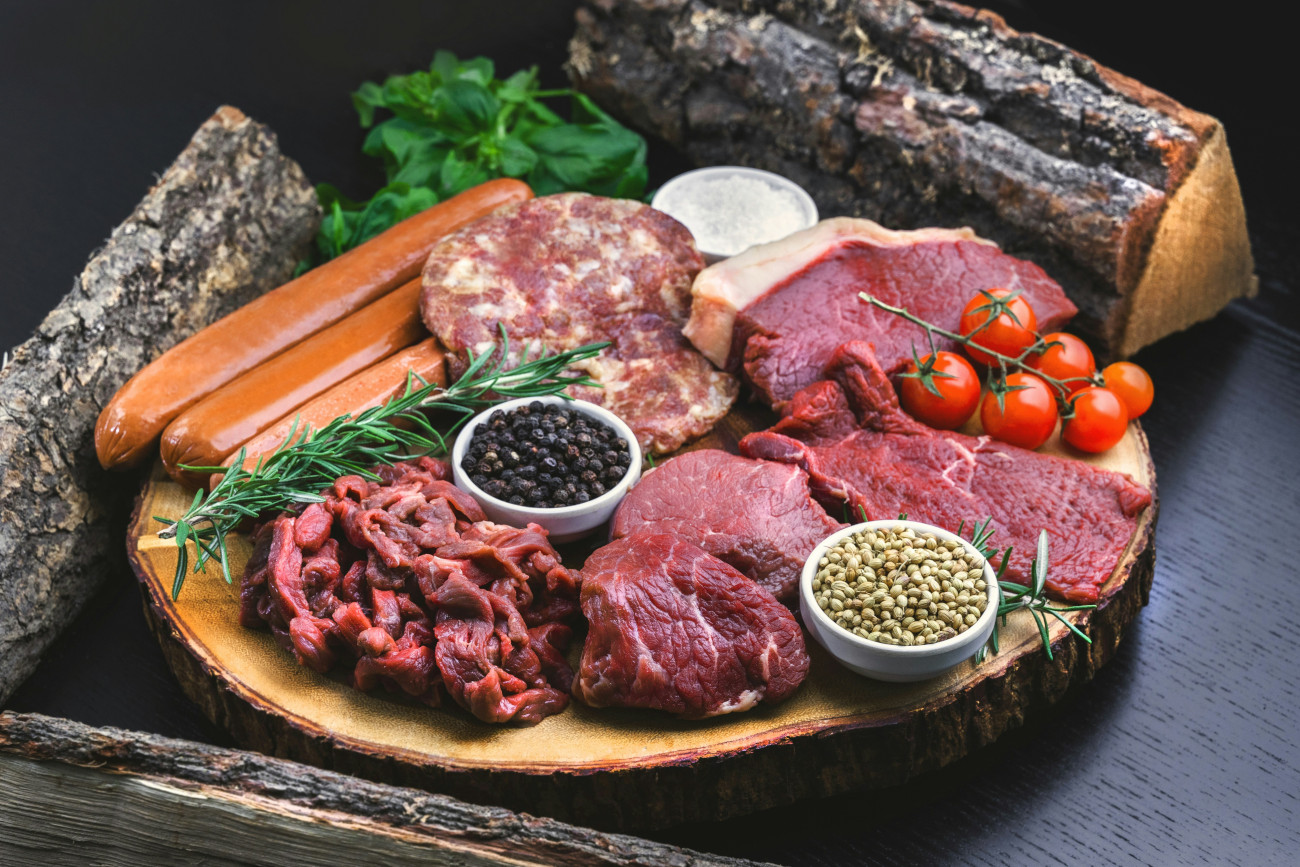 Photo by Eiliv Aceron on Unsplash
Additionally, cooking denatures part of the beta-alanine through heat, further reducing actually available amounts. Bioavailability from food sources is also lower than isolated beta-alanine, as the amino acid in meat binds to proteins and requires enzymatic release.
For vegetarians and vegans, the situation is even less favorable. Since plant foods contain no beta-alanine, these groups can only fill their carnosine stores through endogenous synthesis from beta-alanine and histidine. This explains why studies typically find lower muscular carnosine concentrations in vegetarians compared to meat-eaters.
Supplementation with isolated beta-alanine completely bypasses these limitations. With merely one teaspoon of powder, the recommended daily dose of 4 to 6 grams can be achieved without consuming calories, fat, or additional protein. This makes supplementation the only practical strategy for athletes seeking to optimize their carnosine stores.
Scientific Evidence for Performance Enhancement
Beta-alanine research now encompasses several hundred studies. A landmark investigation by Roger Harris, who previously established creatine as a supplement, demonstrated that four-week supplementation with 4 to 6 grams beta-alanine daily increased muscular carnosine levels by an average of 64 percent. After ten weeks, this value rose to 80 percent, illustrating that saturating carnosine stores requires considerable time.
Interestingly, this increase occurred across all muscle fiber types, suggesting both strength and endurance athletes could benefit from supplementation. The practical relevance of these elevated carnosine concentrations has been examined in numerous performance studies. A comprehensive meta-analysis of 15 studies found that beta-alanine significantly improves performance during exercise lasting between 60 and 240 seconds. Effects were markedly smaller for shorter or longer durations.
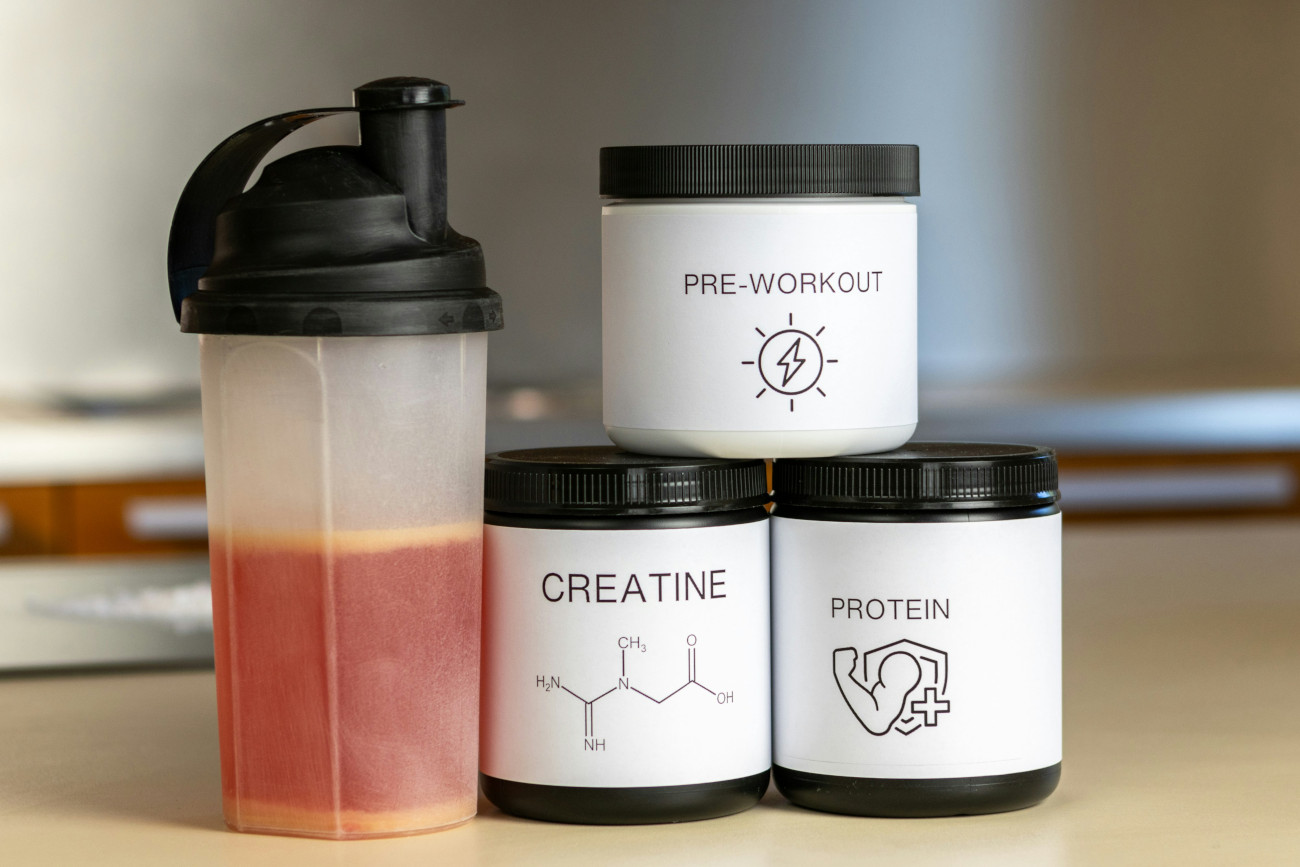 Photo by Aleksander Saks on Unsplash
Particularly relevant for bodybuilders are investigations directly analyzing effects on strength training. In a study of trained college football players, combining creatine with beta-alanine yielded significantly better results than creatine alone. The combination group increased bench press by an average of 24 pounds and squats by 51 pounds compared to the ten-week intervention baseline. Most notably, only the combination group showed significant fat-free mass gains with simultaneous body fat percentage reduction of 1.2 percent.
Another investigation directly compared beta-alanine effects with creatine in untrained young men. Beta-alanine increased fatigue threshold by 28.8 percent, while creatine produced only 11.3 percent improvement. The combination of both substances showed no additive effect compared to beta-alanine alone, possibly due to the short 28-day study duration.
Interesting insights also came from a study of amateur boxers examined during simulated competitions. Boxers supplementing beta-alanine could generate significantly more power in their punches toward the end of three-minute rounds compared to placebo. This impressively demonstrates how delayed fatigue through improved buffering capacity translates into practical performance enhancement.
Optimal Dosage and Intake Recommendations
Scientific literature shows a relatively consistent dosage range for beta-alanine. Daily amounts between 4 and 6 grams have proven optimal for maximally increasing muscle carnosine concentrations. Lower dosages can also be effective but require more time until complete store saturation.
Unlike creatine, no clear evidence exists for a loading phase with higher initial beta-alanine dosages. Muscle uptake occurs gradually over several weeks. First measurable performance improvements typically appear after two to four weeks of regular intake, while maximum effect develops only after eight to twelve weeks.
 Photo by
 Dividing the daily dose across multiple servings is recommended for two reasons. First, absorption improves when beta-alanine is consumed with meals. Research shows 23 percent better uptake compared to fasted intake. Second, smaller individual doses reduce the characteristic skin tingling many users find unpleasant.
This tingling, termed paresthesia, results from histamine release when beta-alanine combines with histidine. Intensity varies greatly individually and is completely harmless. The phenomenon typically disappears after 30 to 60 minutes. Those wanting to minimize this side effect should divide daily doses into four to six servings of 0.7 to 1 gram (approximately 0.025 to 0.035 ounces) each.
No specific intake window before or after training is required. Since beta-alanine works through long-term elevation of carnosine stores, exact timing plays no decisive role. Continuous daily intake is far more important than timing. Nevertheless, many pre-workout supplements contain beta-alanine, providing a practical solution for many athletes. However, pre-workout products are frequently underdosed, and amounts contained are insufficient for optimal effects.
After discontinuing supplementation, carnosine concentrations decline again. This process takes between five and nine weeks, with exact duration depending on previously achieved values and individual factors. This implies continuous intake is required to maintain performance-enhancing effects.
The Combination with Creatine
The synergistic effect of beta-alanine and creatine is well documented scientifically. While creatine increases phosphocreatine stores and thereby improves ATP resynthesis during short, explosive efforts, beta-alanine delays fatigue during longer sets through hydrogen ion buffering. These complementary mechanisms explain why combining both substances yields better results than isolated intake.
A study of college football players impressively demonstrated combination advantages. The group taking both creatine and beta-alanine achieved not only greater strength gains but was also the only group showing significant body composition improvements. The simultaneous fat-free mass gain with reduced body fat percentage is a remarkable result typically not observed with creatine alone.
Practical implementation of combined supplementation is straightforward. Creatine is typically dosed at 3 to 5 grams (0.1 to 0.18 ounces) daily, while beta-alanine is recommended at 4 to 6 grams (0.14 to 0.21 ounces). Both substances can be taken together without absorption interference. Dividing into multiple servings throughout the day is recommended primarily to avoid beta-alanine tingling.
For most strength athletes, combining creatine and beta-alanine represents the most sensible supplementation strategy. Creatine covers maximal and speed strength domains, while beta-alanine shows strength during higher repetitions and longer sets. Since most bodybuilding programs integrate both loading ranges, athletes benefit from the complementary effects of both supplements.
Beta-Alanine and Taurine
Questions occasionally arise regarding possible interference between beta-alanine and taurine, as both substances use the same transport systems. An older cell culture study showed isolated heart muscle cells in a nutrient medium with high beta-alanine concentrations reduced their taurine content by 45 percent. These findings raised concerns about possible negative impacts on taurine status with beta-alanine supplementation.
However, transferability of these results to the human organism is questionable. Cell cultures lack the complex regulatory and compensation mechanisms of the intact body. Additionally, the study used isolated cells naturally containing no significant histidine amounts, which in the human body immediately reacts with beta-alanine to form carnosine.
Human studies found no clinically relevant taurine level changes from beta-alanine supplementation. A ten-week study with daily dosages in the recommended range showed no effects on taurine values in blood or urine. Animal experiments demonstrating taurine deficiency from beta-alanine used absurdly high dosages equivalent to 25 times amounts used in humans.
Nevertheless, parallel taurine supplementation makes sense for other reasons. Taurine offers independent advantages for training performance and recovery, including improved muscle contraction, antioxidant properties, and positive effects on glucose and fat metabolism. Typical dosing ranges from 1 to 3 grams (0.035 to 0.1 ounces) daily, divided across multiple servings.
Which Bodybuilders Benefit from Beta-Alanine?
Beta-alanine effectiveness strongly depends on training context and individual performance level. Training beginners generally benefit less from supplementation, as adaptive training processes themselves dominate performance gains. In this phase, adequate protein intake and possibly creatine are the priority supplementation considerations.
Advanced bodybuilders with established training routines show clearer effects. Benefits are particularly pronounced with training protocols featuring moderate to high repetitions and short rest periods, where muscle acidification represents the performance-limiting factor. Athletes regularly training in the eight to 20 repetition range and employing intensity techniques like drop sets or rest-pause are in beta-alanine’s optimal application range.
Powerlifters and strength athletes working primarily in the one to five repetition range with maximal loads have less beta-alanine benefit. During these short, explosive efforts, lactate buffering plays a subordinate role. Here phosphocreatine-dependent energy production dominates, making creatine the superior supplement.
Endurance athletes can also benefit from beta-alanine, particularly during high-intensity interval efforts. Cyclists and middle-distance runners showed improved performances in various investigations. Pure long-distance endurance efforts benefit less, as aerobic energy production primarily dominates.
Hybrid athletes combining both strength and intensive endurance efforts are also well-positioned for beta-alanine supplementation. Improved buffering capacity benefits both training forms and can improve tolerance of high training volumes.
Practical Dosing and Intake Strategies
The following table provides an overview of recommended dosing protocols for various applications:
| Training Goal | Daily Beta-Alanine Dose | Distribution | Complementary Supplements |
|---|---|---|---|
| Bodybuilding (Hypertrophy) | 4-6 g (0.14-0.21 oz) | 4-6 servings of 0.7-1 g | Creatine 5 g, Taurine 2 g |
| Strength Training (Power Endurance) | 4-5 g (0.14-0.18 oz) | 4 servings of 1-1.25 g | Creatine 5 g |
| Endurance Sports (Intense) | 3-5 g (0.1-0.18 oz) | 3-4 servings of 1-1.25 g | Taurine 2-3 g |
| Hybrid Training | 5-6 g (0.18-0.21 oz) | 5-6 servings of 1 g | Creatine 5 g, Taurine 2 g |
A proven intake protocol for bodybuilders involves distributing daily doses across four time points. One serving at breakfast, a second at lunch, the third approximately 60 to 90 minutes pre-workout, and the fourth at dinner. The pre-workout serving combines well with creatine. This distribution maximizes absorption and minimizes tingling while promoting compliance through integration into existing routines.
First noticeable effects typically appear after two to three weeks. At this point, carnosine stores are partially filled, manifesting as delayed fatigue during intense sets. Full effect develops over eight to twelve weeks of continuous intake. Therefore, a minimum three-month supplementation phase is recommended to evaluate maximal effects.
Product Selection and Quality Markers
Beta-alanine is available as pure powder or capsule form. Powder form typically offers better value and enables flexible dosing. Capsules are more practical for on-the-go consumption but often contain higher individual doses, potentially intensifying tingling.
Product selection should emphasize high purity. Quality products contain at least 99 percent pure beta-alanine without unnecessary fillers. Using the patented ingredient CarnoSyn is a quality marker, as extensive safety and efficacy data exist for this specific ingredient. However, other manufacturers with appropriate analyses and purity certificates are also good choices.
Many pre-workout supplements contain beta-alanine as a formulation component. While this appears practical, amounts included are frequently too low for optimal effects. Typical pre-workout products contain between 1.5 and 3 grams (0.05 to 0.1 ounces) beta-alanine per serving. With once-daily pre-workout intake, you remain well below optimal daily dosage. Separate supplementation with pure beta-alanine is therefore the better strategy in most cases.
Storage should be dry and cool, though beta-alanine as a chemically stable substance is undemanding. An opened package keeps easily for several months to years with proper storage.
Safety and Side Effects
Beta-alanine is considered safe with a favorable side effect profile when used as directed. The most common and practically only relevant side effect is the previously mentioned skin tingling. This phenomenon, while unpleasant for some users, is medically completely harmless. It disappears after 30 to 60 minutes and can be minimized by dose division.
In rare cases, users report mild skin redness or warmth sensation attributable to histamine release. People with known histamine intolerance should begin supplementation cautiously and discontinue if intolerant.
Long-term studies over several months showed no negative effects on organ function or blood values. Beta-alanine doesn’t interfere with common medications, though consultation with a physician is generally advisable for specific conditions or medication use.
 Photo by Aleksander Saks on Unsplash
Pregnant and nursing women should avoid supplementation, as insufficient safety data exist for these groups. Children and adolescents should also refrain from intake while growth is incomplete.
Realistic Expectations and Context
Beta-alanine is a legitimate, scientifically founded supplement but no miracle substance. Expected performance enhancements range from 5 to 15 percent during suitable exercise. This can practically manifest as one to three additional repetitions per set or the ability to perform the same repetitions with slightly higher weight.
These seemingly modest improvements accumulate over weeks and months into significantly higher training volume. Since training volume is one of the strongest predictors for hypertrophy, these additional repetitions can lead to measurable muscle growth differences long-term.
Important is the overall strategy context. Beta-alanine can support a well-planned training program and appropriate nutrition but cannot replace them. Fundamental muscle growth factors remain progressive training, adequate protein intake, and caloric surplus. Beta-alanine offers an additional advantage that can make the difference for advanced athletes.
Combining with creatine remains the most effective supplementation strategy for most strength athletes. Both substances complement each other in their mechanisms and cover different loading ranges. Together with adequate protein intake, they form the foundation of evidence-based supplementation for muscle building and strength gains.
Summary and Practical Recommendations
Beta-alanine demonstrably increases intramuscular carnosine concentrations and improves performance during intense exercise lasting between 60 and 240 seconds. For bodybuilders with established training routines regularly training in moderate to higher repetition ranges, supplementation offers measurable advantages in delayed fatigue and increased training volume.
Optimal daily dosage ranges from 4 to 6 grams (0.14 to 0.21 ounces), divided across multiple servings of 0.7 to 1 gram each. Intake with meals improves absorption and reduces characteristic tingling. Initial effects appear after two to four weeks, maximal effect develops over eight to twelve weeks.
Combination with creatine is scientifically well supported and represents the most sensible supplementation strategy for most strength athletes. Additional taurine intake isn’t mandatory but offers independent advantages and can be easily integrated.
Beta-alanine represents a sensible complement to systematic training and adequate nutrition but cannot replace these foundations. For advanced athletes who have already optimized fundamental muscle-building factors, it can provide an additional performance advantage leading to better results long-term.
As an Amazon Associate I earn from qualifying purchases. However, the price remains unchanged for you. Thanks to the revenue, ShapeGanic is available to you at no cost.

 Photo by