Glutamine is a textbook example of a supplement category with a well-established clinical rationale and a second, considerably inflated career in fitness marketing. Walk through any well-stocked sports nutrition store and you encounter dozens of glutamine products: powders in kilogram tubs, capsules with proprietary brand names, and additions to pre-workout and recovery complexes. The promises range from accelerated muscle recovery to enhanced immune function and protection from overtraining. How much of this withstands scientific scrutiny, and when does supplementation actually make sense?
In recent years, the evidence base has consolidated to the point where an honest assessment is possible. The amino acid is biologically highly relevant, its supplementation in specific clinical situations is clearly documented, and in the context of healthy athletes it is largely ineffective when overall nutrition is adequate. This article situates the mechanism of action, available forms, and dosage recommendations and contrasts what the evidence shows with what marketing promises.
What glutamine is and why it occupies a special position
Glutamine is by far the most abundant free amino acid in the human body. In healthy individuals, the organism can synthesize it in adequate amounts, which classifies it as a non-essential amino acid. Its principal producers are skeletal muscle and the liver, while the gut, immune cells, and kidneys represent the largest consumers. The fact that glutamine is simultaneously synthesized and metabolized in large quantities makes it a central node of metabolism.
The decisive physiological special case occurs under catabolic or hypercatabolic stress. In severe illness, sepsis, major surgery, or pronounced trauma, endogenous synthesis can no longer keep pace with the dramatically increased demand. Plasma glutamine concentrations decline, and in this situation glutamine becomes a conditionally essential amino acid. This is precisely where the clinical indication rests on solid ground. In the context of strength training or normal athletic activity, metabolism practically never reaches this critical threshold.
Functionally, glutamine is the primary energy substrate for rapidly dividing cells, particularly enterocytes in the gut and lymphocytes of the immune system. It is a precursor to glutathione as a central antioxidant defense system, participates in maintaining nitrogen and acid-base balance, and provides nitrogen groups for the synthesis of other amino acids. This versatility explains why the amino acid is so attractive to the marketing industry — almost any physiological function can be plausibly linked back to glutamine.
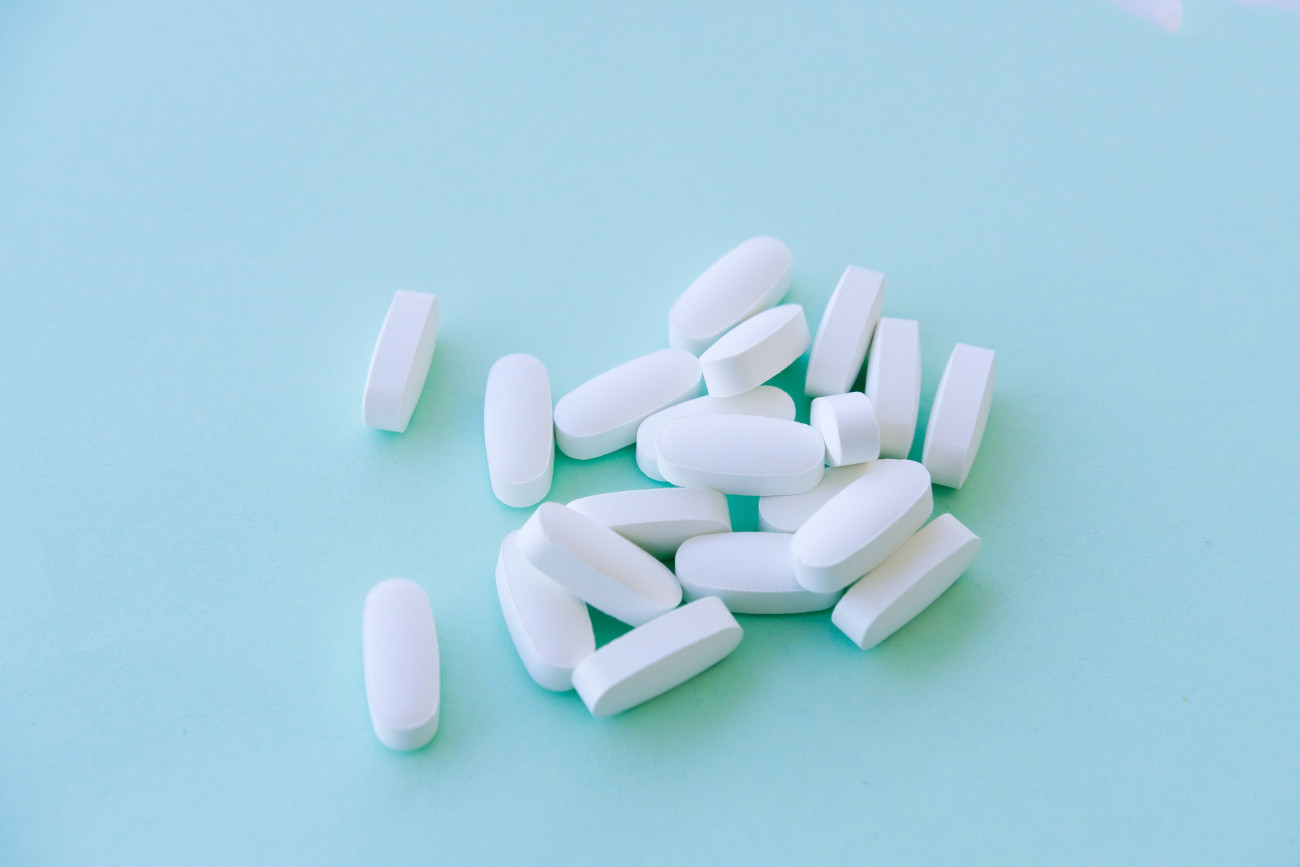 Photo by beyza yurtkuran on Unsplash
What current research actually shows
Assessment requires careful differentiation between two markedly different application fields, which popular perception tends to blur. In the clinical context with critically ill patients, a Cochrane review documents moderate evidence for reduced infection rates and shorter mechanical ventilation duration under glutamine supplementation. No consistent effect on mortality has been documented, and two large randomized trials (REDOXS, METAPLUS) actually showed increased mortality in specific patient groups. Clinical application is therefore not automatic but requires careful patient selection and dosing. In the area of mucositis and chemotherapy side effects, a separate Cochrane review has examined a possible protective effect without producing a clear picture.
In the athletic context, the evidence is even more sobering. A 2018 meta-analysis by Ramezani Ahmadi and colleagues evaluated 25 randomized clinical trials in athletes and reached the unflattering conclusion that glutamine supplementation in healthy athletes improves neither athletic performance, body composition, nor immune function. The only statistically significant finding was a small weight reduction of approximately 3 pounds compared to placebo, the clinical relevance of which remains unclear. An effect on neutrophil counts in the blood appeared only at doses above 200 milligrams per kilogram of body weight — values considerably above typical recommendations.
One important physiological finding qualifies most powder products on the market: free glutamine is largely metabolized in the gut and contributes only minimally to plasma glutamine concentrations and tissue stores. Glutamine dipeptides such as alanyl-glutamine (Ala-Gln) or glycyl-glutamine (Gly-Gln) bypass gut metabolism and deliver the amino acid considerably more efficiently to target tissues. Clinical applications therefore work almost exclusively with dipeptide forms. The sports supplement market, by contrast, is dominated by considerably cheaper free glutamine, which is pharmacokinetically inferior.
The aggregate interpretation runs as follows: glutamine is biologically central, clinically meaningful under specific conditions, and largely redundant for healthy athletes with adequate protein intake. A complete protein source like whey protein already delivers about 4 to 6 grams of glutamine per 30-gram serving as a natural component, which already covers the typical daily recommendation of many glutamine powders.
Forms of glutamine compared
The market offers glutamine products in several formats that differ in pharmacokinetic availability, price, and ease of use. The following overview classifies the most common variants.
| Form | Bioavailability | Application | Recommendation |
|---|---|---|---|
| L-glutamine powder, unflavored | Limited, high gut first-pass effect | In water or shake, individualized dosing | Solid standard variant, limited plasma effect |
| L-glutamine powder, flavored | Same as unflavored, often with sweeteners | In water, more palatable | Sensible if acceptance is an issue |
| L-glutamine capsules | Same as powder | Swallowed, fixed dose per capsule | Convenient on the go, higher cost per gram |
| Alanyl-glutamine dipeptide | High, bypasses gut metabolism | Powder or solution | Pharmacokinetically superior, considerably more expensive |
| Inclusion in pre/post-workout complexes | Variable, often underdosed | Pre-mixed with other actives | Convenient, but effective glutamine amount usually not reached |
| Clinical glutamine solutions (parenteral) | Very high, intravenous | Hospital, intensive care | Outside the sports context, medically supervised only |
At the consumer level, unflavored L-glutamine powder with purity grades of 99 percent or higher dominates. It is inexpensive to produce, integrates well into shakes, and is the typical form used in studies of athletic application. The pharmacokinetic limitation that free glutamine is predominantly metabolized in the gut, however, remains. Anyone seeking to make the amino acid available to plasma and tissue is better served with dipeptide forms such as alanyl-glutamine — though these are primarily found in clinical nutrition and are harder and more expensive to obtain for the consumer. Inclusion in finished pre- or post-workout powders typically delivers only 2 to 3 grams of glutamine per serving, which falls short of any potentially relevant athletic effect.
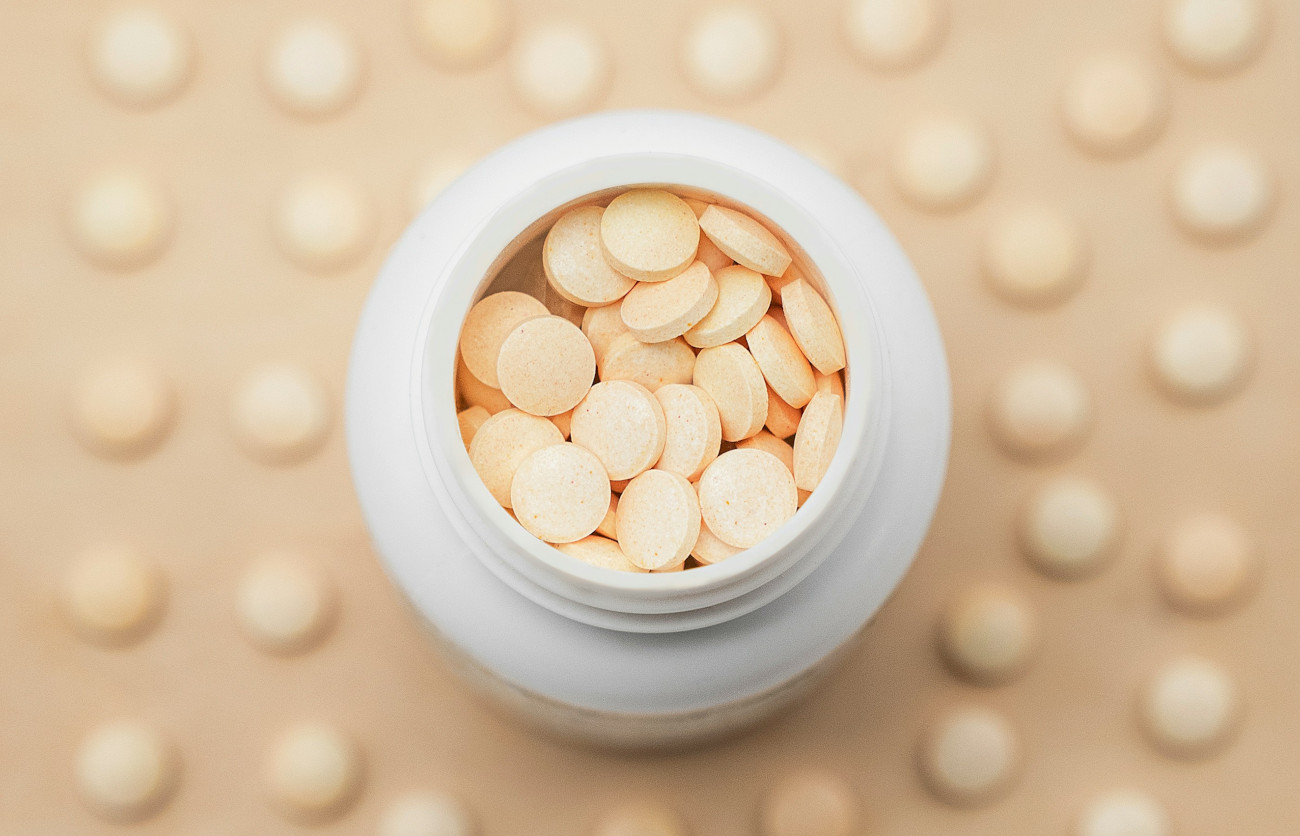 Photo by Supliful - Supplements On Demand on Unsplash
Dosage recommendations by target group
Optimal dosage depends critically on the use case and health status. The following overview draws on findings from current meta-analyses and offers practically applicable recommendations for healthy users. Clinical indications such as sepsis, trauma, or chemotherapy involve entirely different dosing schemes that belong in medical hands.
| Target group | Daily dose | Note |
|---|---|---|
| Strength athletes with adequate protein intake | 0 to 5 g | Usually redundant above 0.8 g protein per pound body weight |
| Endurance athletes during intense training phases | 5 to 10 g | Supports gut and immune function |
| Cutting phase with pronounced caloric deficit | 5 to 10 g | Muscle preservation under reduced energy intake |
| Individuals with irritable bowel symptoms | 5 g | Possible support for gut mucosa, medical evaluation recommended |
| Vegetarians or vegans | 5 to 10 g | When plant protein sources leave glutamine gaps |
| Overtraining prevention | 10 g during intense phases | Speculative, weak evidence base |
The most important practical takeaway from the research: anyone consuming adequate daily protein from complete sources benefits little from additional glutamine supplementation. A 30-gram serving of whey protein already contains 4 to 6 grams of glutamine as a natural component, covering the lower end of the recommendations above. The money is generally better invested in a high-quality protein source or in supplements with clearly documented effects such as creatine. Glutamine as powder can, however, make sense in specific situations such as irritable bowel symptoms, prolonged cutting phases, or for endurance athletes during particularly demanding training periods.
 Photo by Anastase Maragos on Unsplash
Practical intake recommendations
The optimal timing for glutamine intake matters less in practice than the total daily amount. Commonly recommended timing windows include immediately after training, before bedtime, or distributed across two to three servings. A scientifically superior timing strategy is not documented. Powder is dissolved in 7 to 10 fluid ounces of water or integrated into a whey protein shake. Capsules are swallowed with liquid.
Combination with other supplements is unproblematic. Creatine at the standard dose of 3 to 5 grams per day integrates equally well as beta-alanine for muscle acid buffering. A combination of glutamine, creatine, and adequate protein intake covers a substantial portion of the supplementation-relevant needs of a strength athlete. Flavored products can make consumption more pleasant during longer training sessions but are no more effective than unflavored variants.
Summary and recommendation
Glutamine offers a textbook example of a supplement whose clinical evidence and athletic marketing perception diverge sharply. The amino acid is biologically central and fulfills numerous functions in energy and immune metabolism. In critically ill patients, supplementation is clinically established under specific constellations; in healthy athletes, it offers little measurable additional benefit according to current research. The pharmacokinetic peculiarity that free glutamine is predominantly metabolized in the gut further qualifies most market-available powder products with respect to their effect on plasma and target tissues.
A pragmatic rule of thumb applies for practical use: anyone consuming at least 0.8 grams of protein per pound of body weight from complete sources can skip glutamine supplementation and invest the money in whey protein or in supplements with clearer evidence. In specific situations such as prolonged cutting phases, endurance athletes under peak load, or irritable bowel symptoms, glutamine as powder can be a sensible addition. Anyone who understands the reality behind the marketing makes better purchasing decisions and concentrates resources on the measures with the most robust evidence base.
As an Amazon Associate I earn from qualifying purchases. However, the price remains unchanged for you. Thanks to the revenue, ShapeGanic is available to you at no cost.
 Photo by