BCAAs rank among the most heavily marketed supplements in the entire fitness category. Bright displays in gym storefronts, ready-to-drink energy beverages at supermarket checkouts, and colorful powders in flavors from strawberry to watermelon all suggest a central role for any serious training program. The acronym stands for branched-chain amino acids and refers to the three essential amino acids leucine, isoleucine, and valine. These three building blocks do play an important biological role, but the leap from that fact to indispensable training supplement is considerably smaller than the marketing materials suggest.
Over the past few years, the scientific evidence base has consolidated to the point where an honest assessment is possible. Which effects are documented, which remain speculative, and for whom does supplementation actually make sense? This article situates the mechanism of action, available forms, and dosage recommendations in context and contrasts what the evidence shows with what marketing promises.
What BCAAs are and how they work
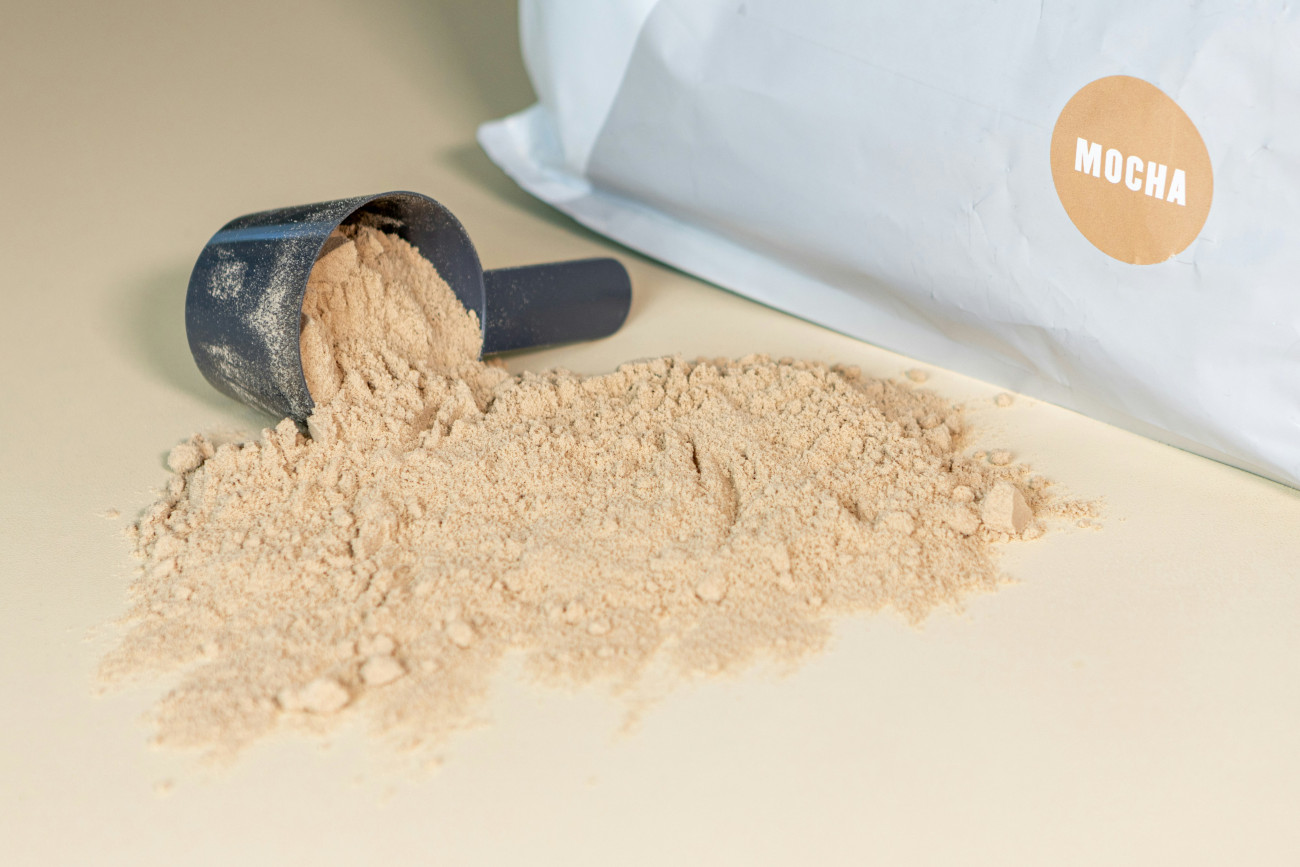
BCAAs comprise three of the nine essential amino acids: leucine, isoleucine, and valine. Essential means the body cannot synthesize them and must obtain them through diet. Unlike most other amino acids, BCAAs are metabolized predominantly in skeletal muscle rather than in the liver, which is what made them particularly interesting to sports science researchers. They account for roughly 35 percent of the essential amino acids in muscle protein, making them a quantitatively significant building block of muscle tissue. On the supplement market, BCAA is typically sold as powder or capsules with a fixed ratio of the three amino acids.
The principal anabolic role belongs to leucine. This amino acid activates the mTORC1 signaling pathway, which is considered the central switch of muscle protein synthesis. Studies show that oral BCAA intake measurably activates the mTORC1 pathway and stimulates muscle protein synthesis in the short term. This is precisely where the critical scientific caveat enters: pathway activation is only productive when the remaining six essential amino acids are also available in sufficient amounts. Without them, new muscle proteins cannot actually be synthesized, and the effect dissipates. A 2017 review by Wolfe concluded after comprehensive analysis that isolated BCAA intake without the other amino acids does not produce a true anabolic response in humans, but merely reduces protein breakdown without net increases in synthesis.
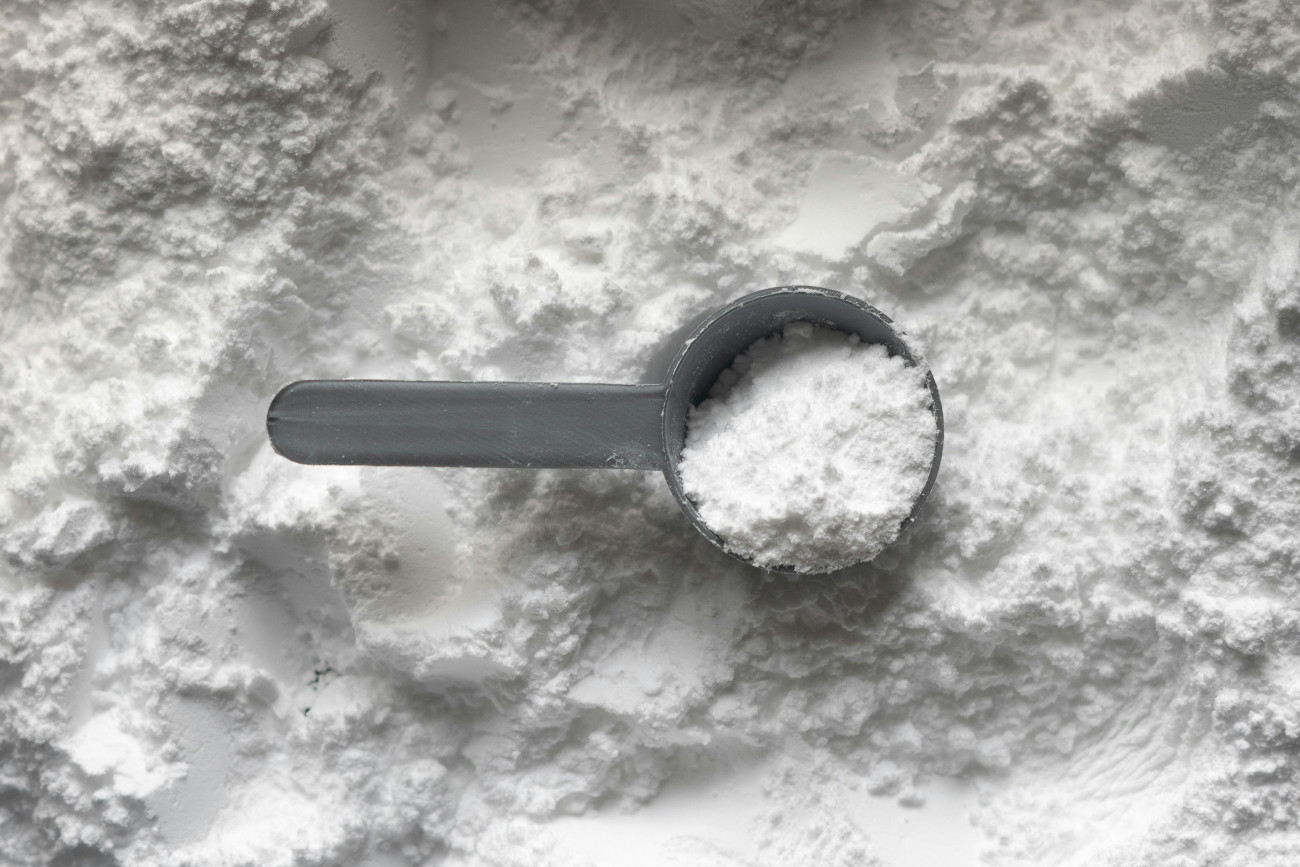 Photo by
 What current research actually shows
An honest assessment of BCAA effects requires a differentiated look at separate endpoints. For muscle protein synthesis as an isolated endpoint, individual studies show moderate effects, such as a 22 percent increase over placebo following resistance training. These effects are, however, considerably smaller than after intake of a complete protein source like whey protein, which provides all essential amino acids. A systematic review of BCAAs in athletes published in 2022 concluded that effects on performance and body composition should be classified as negligible when total protein intake is already adequate.
For the endpoint of muscle soreness and damage, measured via creatine kinase levels in the blood, several meta-analyses show a small but consistent effect. A 2021 evaluation of randomized trials in trained men found reduced creatine kinase levels and subjectively lower soreness up to 24 hours after intense training. A comprehensive 2024 meta-analysis confirmed these findings with a dose-response relationship, but without improvement in actual muscle performance in subsequent days. BCAAs may therefore reduce subjective perception of soreness without measurably accelerating recovery of training performance.
One specialized application deserves mention: in patients with chronic liver disease, a Cochrane review has examined BCAA supplementation for treatment of hepatic encephalopathy. Here, clinically relevant effects do appear, though this falls outside the sports-science context. Notable as well, current research such as the review by Neinast and colleagues links elevated blood BCAA levels to insulin resistance, diabetes, and heart failure, which is why long-term high-dose supplementation should be viewed critically in metabolically compromised populations.
The aggregate interpretation runs as follows: BCAAs are biologically important, but their isolated supplementation is largely redundant when protein intake is adequate at roughly 0.7 to 0.9 grams per pound of body weight. Complete protein sources are superior in virtually every respect because they deliver all essential amino acids in balanced ratios.
Forms of BCAA compared
The market offers BCAAs in several formats that differ in the ratio of the three amino acids, taste, ease of use, and cost. The following overview classifies the most common variants.
| Form | Leu:Iso:Val ratio | Application | Recommendation |
|---|---|---|---|
| Powder, unflavored | 2:1:1 or 4:1:1 | Dissolved in water, individualized dosing | Best choice for strength athletes |
| Powder, flavored | 2:1:1 or 4:1:1 | Dissolved in water, more palatable | Sensible if unflavored variant is unacceptable |
| Capsules | 2:1:1 | Swallowed, fixed dose | Convenient on the go, higher cost per gram |
| Tablets | 2:1:1 | Swallowed, high pill count per dose | Solid alternative to capsules |
| Ready-to-drink beverages | Variable, often with caffeine | Pre-mixed, highest price | Convenience product, not a serious supplementation strategy |
| BCAA + EAA combination products | BCAAs plus six other essential amino acids | Powder or capsules | Scientifically superior to pure BCAAs |
The leucine to isoleucine to valine ratio in most products is 2:1:1, which mirrors the natural ratio in muscle protein. Some manufacturers favor higher leucine ratios of 4:1:1 or 8:1:1, justifying it through leucine’s role as the primary driver of muscle protein synthesis. Clinical comparison studies show, however, that 2:1:1 suffices for most applications and that higher leucine ratios produce no measurable additional benefit. Ready-to-drink beverages such as Xtend or comparable brands are primarily lifestyle products with limited active dosage per can and often deliver only a fraction of an effective daily dose. Anyone seeking serious BCAA supplementation is better served with powder products.
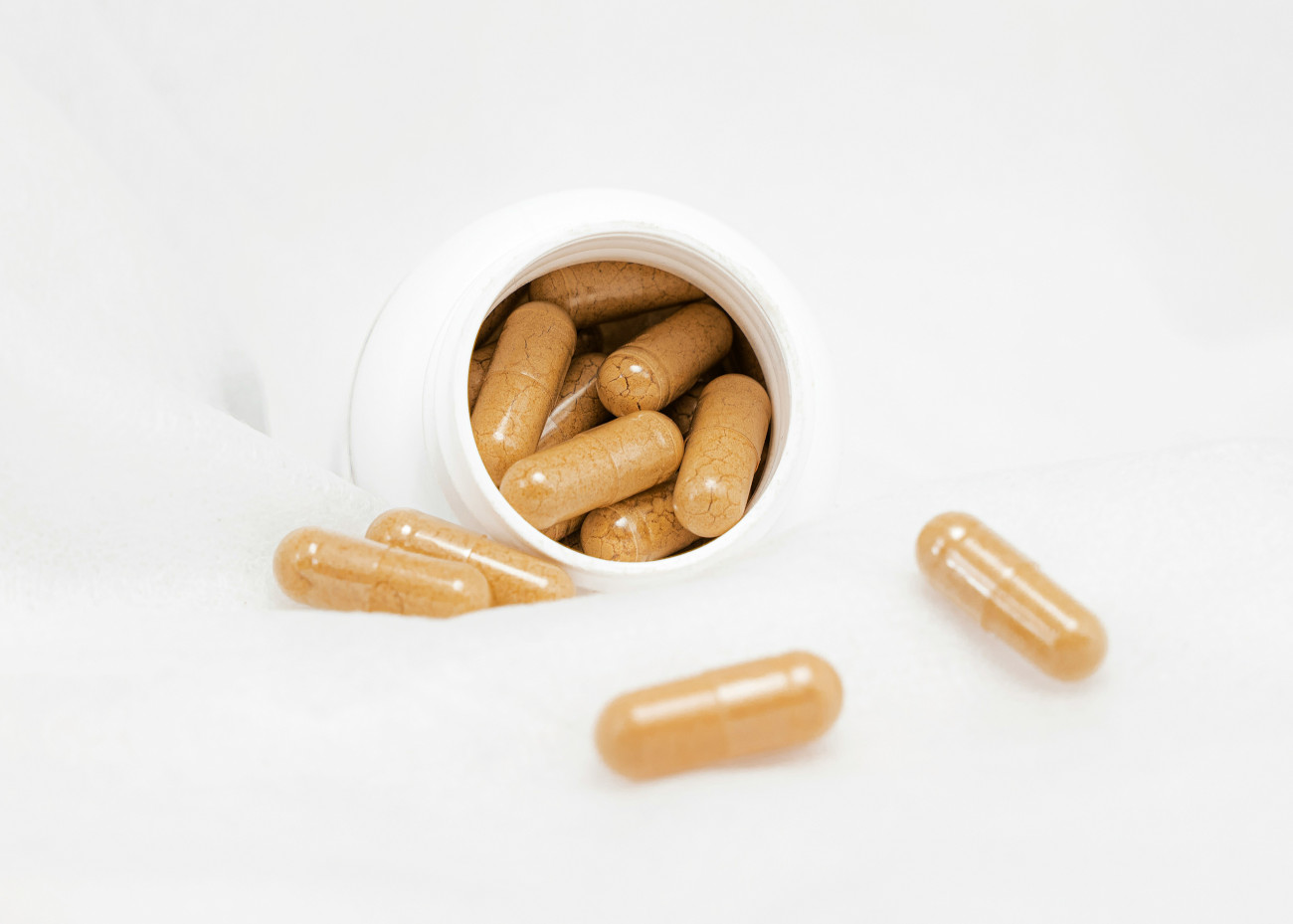 Photo by Supliful - Supplements On Demand on Unsplash
Dosage recommendations by target group
Optimal dosage depends on training goals, total protein intake, and individual training load. The following overview draws on current meta-analyses and offers practically applicable recommendations.
| Target group | Daily dose | Note |
|---|---|---|
| Strength athletes with adequate protein intake | 0 to 5 g | Usually redundant above 0.8 g protein per pound body weight |
| Strength athletes with low protein intake | 5 to 10 g | EAA complex more sensible than pure BCAAs |
| Cutting phase with caloric deficit | 5 to 10 g | Muscle preservation under reduced energy intake |
| Endurance athletes | 5 to 10 g | Before and during long sessions |
| Vegetarians or vegans | 5 to 10 g | When plant protein sources leave gaps |
| Fasted training | 5 to 10 g pre-workout | Reduces catabolic risk; EAA would be superior |
The most important practical takeaway from the research: anyone consuming adequate daily protein from complete sources like meat, fish, eggs, dairy, or a combination of plant sources benefits little from additional BCAA supplementation. The money is generally better invested in whey protein or a complete EAA complex. BCAA as powder can, however, make sense in specific situations such as low protein intake during a cutting phase or training on an empty stomach when a complete meal is impractical.
Practical intake recommendations
The optimal timing for BCAA intake is debated and likely matters less in practice than the total daily amount. Most studies use intake immediately before, during, or right after training. Powders are dissolved in 8 to 16 fluid ounces of water and consumed across the training session. Capsules are swallowed with water, ideally also close to training. For fasted training, a dose of 5 to 10 grams BCAAs before the session can reduce catabolic risk, though a complete EAA complex would be scientifically superior here.
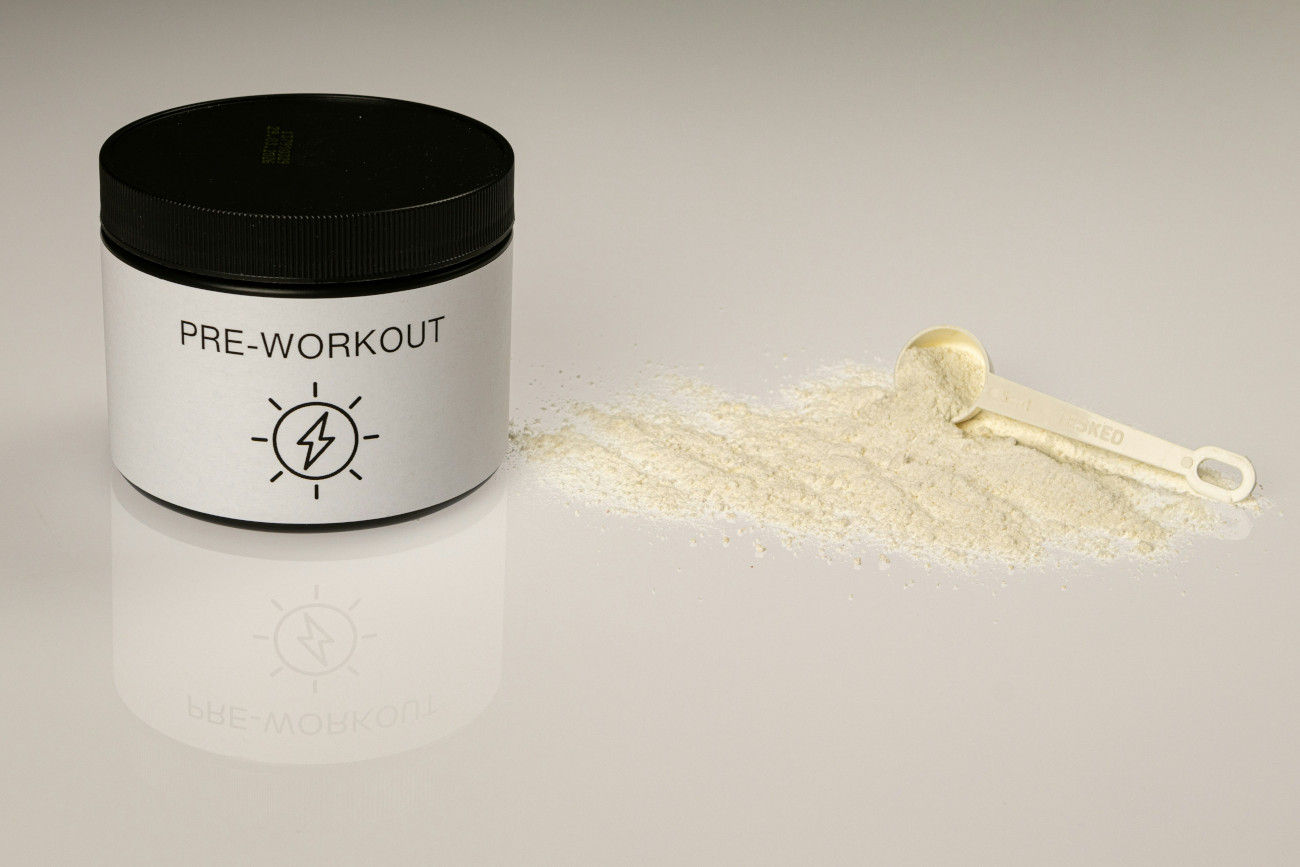 Photo by Alex Saks on Unsplash
Combination with other supplements is unproblematic. Creatine at the standard dose of 3 to 5 grams per day integrates equally well as beta-alanine for muscle acid buffering. A combination of BCAAs, creatine, and adequate protein intake covers most supplementation-relevant needs of a strength athlete. Flavored products can make consumption more pleasant during longer training sessions but are no more effective than unflavored variants.
Summary and recommendation
BCAAs offer a textbook example of a supplement whose marketing success substantially outpaces its scientific evidence base. The underlying amino acids leucine, isoleucine, and valine are biologically important and essential in adequate amounts for muscle gain and maintenance. As an isolated supplement, however, they offer little measurable advantage compared to complete protein sources or EAA complexes when total protein intake is already adequate. The only endpoints with consistent effects are reduced muscle soreness and lower creatine kinase values after intense training, without measurable improvement in actual training performance on subsequent days.
A pragmatic rule of thumb applies for practical use: anyone consuming at least 0.8 grams of protein per pound of body weight from complete sources can skip BCAA supplementation and invest the money in high-quality whey protein or a complete EAA complex. In specific situations such as fasted training, pronounced cutting phases with low protein intake, or endurance sport with high training load, BCAA as powder can be a sensible addition. Anyone who understands the reality behind the marketing makes better purchasing decisions and avoids wasting resources on supposed miracle products.
As an Amazon Associate I earn from qualifying purchases. However, the price remains unchanged for you. Thanks to the revenue, ShapeGanic is available to you at no cost.

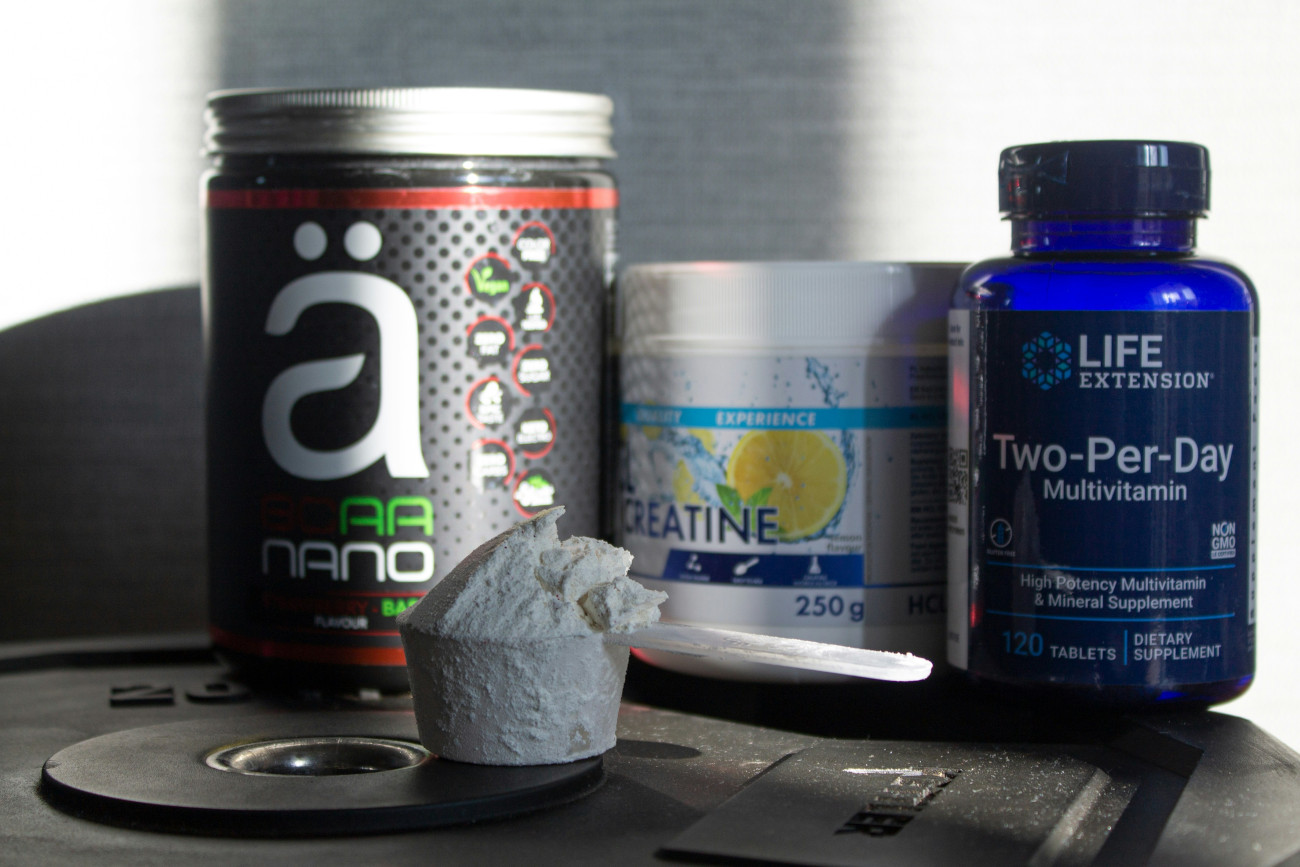
 Photo by